Asian Central Banks Rethink Policies Amid Iran Conflict

The ongoing conflict in the Middle East is prompting Asian central banks to reconsider their monetary policies. With rising oil prices and increased inflation, these banks face challenging decisions between fostering economic growth and controlling price levels.
Impact of the Middle East Conflict
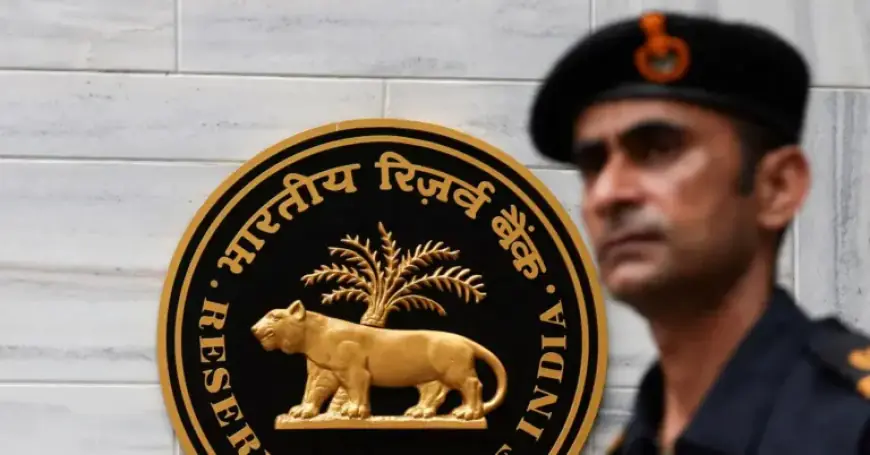
The geopolitical tension has led to significant supply shocks, forcing Asian central banks to weigh their next moves carefully. The Reserve Bank of India (RBI) is expected to maintain low-interest rates to support economic growth, but it may need to intervene to stabilize the declining rupee against a strengthening U.S. dollar.
- India: RBI likely to focus on currency stabilization rather than immediate rate hikes.
- Thailand and the Philippines: May shift from dovish to hawkish policies due to rising fuel costs.
- South Korea: Could adopt a hawkish stance if inflation remains persistently above targets.
Economic Repercussions
The price of crude oil has surged past $110 per barrel, raising concerns about prolonged inflation. Analysts warn that economies reliant on global trade, such as South Korea and Japan, will be particularly affected. Higher oil prices could impede growth significantly.
For instance, the Bank of Japan (BOJ) may struggle to manage inflation that has exceeded its 2% target for nearly four years. If oil prices remain high, growth could take a substantial hit, making it difficult for the BOJ to maintain interest rates without generating backlash from the government.
Global Economic Challenges
According to NASA, continuous rises in oil prices could lead to a notable trend in global inflation levels. This situation poses challenges for developed economies, including Australia and New Zealand.
- Australia: Rising oil prices may lead to higher inflation expectations, necessitating prolonged interest rate increases.
- New Zealand: Risks tolerating higher inflation temporarily to avoid tightening during a slowly recovering economy.
Expert Insights
Kristalina Georgieva, Managing Director of the International Monetary Fund, cautioned that a 10% increase in oil prices could raise global inflation by 40 basis points. She urged policymakers to adapt to these unprecedented circumstances and prepare for heightened economic uncertainty.
As the Middle Eastern conflict continues, Asian central banks are being pushed to reevaluate their monetary policies, leading to potential shifts towards more aggressive stances in the face of rising inflation and uncertain economic conditions. The balancing act between growth and inflation control remains a pivotal challenge.