Heat and Isolation Worsen Menopause Symptoms in Rural Western Australia

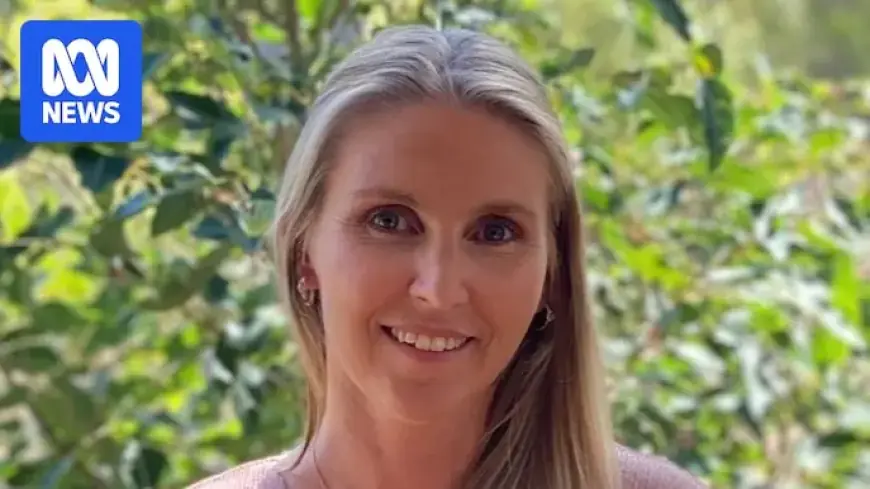
In rural Western Australia, women like Bree Maher are encountering heightened challenges during menopause, largely influenced by extreme heat and lack of healthcare access. Maher, a resident of Onslow, has experienced firsthand the impact that her environment can have on her health. Onslow is situated over 1,300 kilometers north of Perth and has recorded temperatures soaring to 50.7 degrees Celsius, a national record.
Menopause Awareness in Remote Areas
On International Women’s Day, Maher urged for improved menopause education in remote regions. Her struggle for help led her to seek a telehealth consultation with an online women’s health clinic after enduring months of appointments with local doctors. “I finally felt like someone was listening to me,” she remarked about her experience.
Despite her efforts, many rural patients still face inadequate support. “Why do I have to search for a doctor on the other side of the country?” Maher questioned, highlighting the gap in local healthcare services.
Senate Inquiry Findings
A Senate inquiry conducted in September 2024 exposed that some medical students receive as little as one hour of training on menopause and perimenopause. This lack of education contributed to the insufficient treatment of women’s health concerns in the region.
In response, the Australian government included menopausal hormone therapies in the Pharmaceutical Benefits Scheme and initiated a Medicare rebate for menopause health assessments. These measures aim to enhance training for health professionals and develop national clinical guidelines for menopause care.
Local Initiatives to Combat Isolation
- Jessica Evans, founder of Pilbara Cosmetic and Wellness, conducts women’s health workshops in towns such as Onslow and Pannawonica.
- Evans has noticed a common theme among her patients, as many feel isolated and unaware that they can seek support.
- She emphasizes the importance of individualized care instead of a one-size-fits-all approach, recognizing the unique experiences of each woman.
Climate Effects on Health
The extreme climate of the Pilbara region is also taking a toll on women’s health. Louisa Wall, an adviser for the advocacy group Women Deliver, stated that ongoing high temperatures create cumulative stress that exacerbates both mental and physical health challenges. The combination of heat and lack of support services poses a significant burden for women, especially during critical periods such as pregnancy and postnatal recovery.
Need for Greater Support
While resources in the Pilbara may seem limited, Evans believes there is more local support available than people realize. “I think it starts with education,” she remarked, encouraging awareness of existing services. Maher seconded this sentiment, stressing the importance of support for small communities. “We’re the glue that holds our small towns together,” she said, advocating for essential services to improve livability for women in these areas.
As the conversation around menopause continues to evolve, particularly in rural contexts, it is clear that education and access to healthcare remain critical. Ensuring that women receive appropriate support can significantly impact their quality of life, especially in the face of challenging environmental conditions.