US Energy Chief Justifies Russian Oil Sanction Waiver Amid Rising Gas Prices

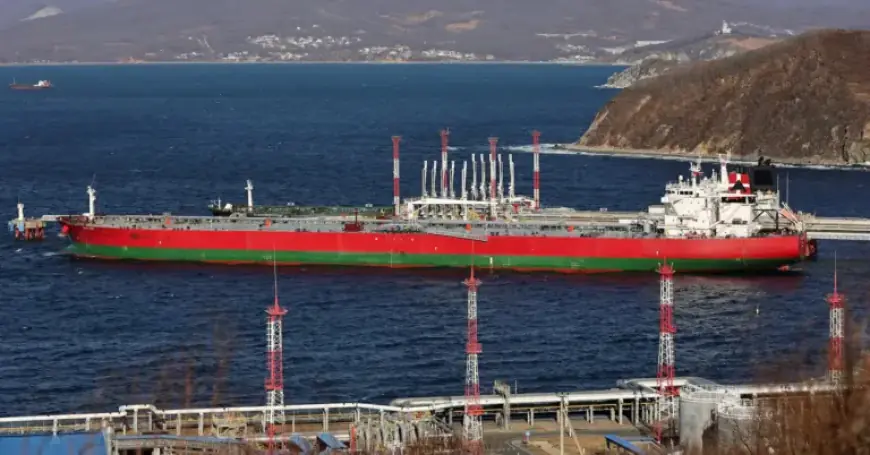
The current landscape of U.S. energy policy is being reshaped amid the ongoing geopolitical tensions. Recently, U.S. Energy Secretary Chris Wright defended a temporary sanction waiver that permits Indian purchases of Russian oil. This decision comes in light of rising gasoline prices exacerbated by the Iran conflict.
Justification for the Russian Oil Sanction Waiver
On March 8, U.S. officials, including Energy Secretary Wright and U.N. Ambassador Mike Waltz, articulated their reasons for the waiver. The waiver effectively suspends certain sanctions on Russian oil, aiming to ease market pressures resulting from the ongoing crisis.
- 30-Day Waiver: Designed to facilitate Russian oil deliveries to Indian refineries.
- Impact on Prices: Officials argue it will alleviate fears of supply shortages that drive up prices.
Current Gasoline Prices and Economic Concerns
The national average price for regular gasoline has reached $3.32 per gallon, a significant increase of 11% from the previous week. Diesel prices have surged to $4.33, representing a 15% rise. This marks the highest prices recorded since November 2023 and September 2024, respectively.
The rising fuel costs come at a precarious time for the U.S. economy, which saw an unexpected job loss of 92,000 in February.
Political Commentary and Future Implications
President Trump commented on the situation, calling the temporary spike in oil prices a necessary step for national and global security. However, critics argue that the administration should consider alternative measures, such as tapping into the Strategic Petroleum Reserve, which currently holds about 415 million barrels.
- Senate Minority Leader Schumer: Advocated for immediate oil sales from the SPR to stabilize the market.
- Senator John Kennedy: Criticized speculators for inflating oil prices.
Political analysts warn about the potential impact of sustained high gasoline prices on the Republican Party ahead of the November midterm elections. A recent poll indicated that a majority of respondents do not share Trump’s optimistic view of the economy.
The overall sentiment among U.S. energy officials, including Secretary Wright, reflects optimism that the current price spikes are short-term, largely driven by market fears rather than actual supply shortages. As the situation continues to evolve, the effectiveness of the waiver will be closely monitored in the context of global oil markets.