Kospi Surges Nearly 10% as Asia Stocks Rebound After Oil Rise

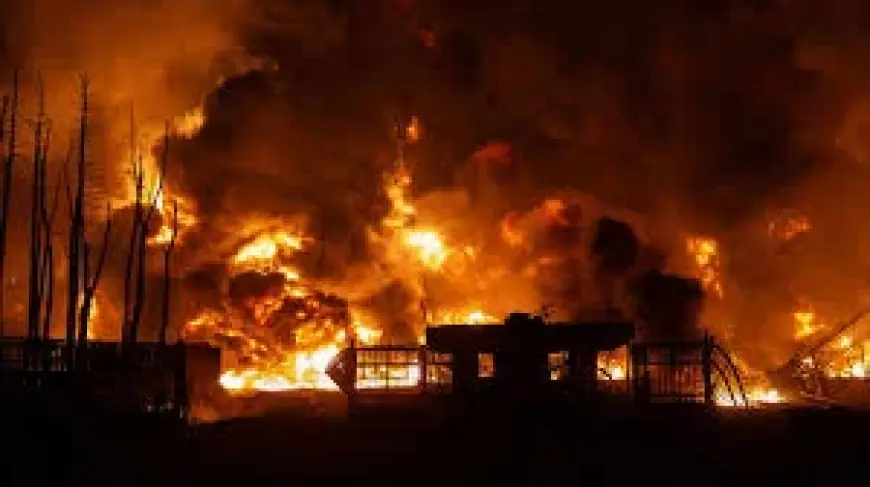
South Korea’s KOSPI rose by almost 10% on Thursday, rebounding from its biggest-ever 12% fall on Tuesday and helping lead a regional market recovery as oil and gas prices climbed. Thursday at 9: 30 a. m. ET — the kospi recovery matters because Brent crude lifted 3. 3% to $84 a barrel and higher gas prices are squeezing supply chains and energy-dependent sectors now.
Kospi Rally Follows 12% Drop and Broader Asia Gains
South Korea’s index climbed nearly 10% on Thursday after posting a 12% fall earlier in the week, while Japan’s Nikkei gained 1. 9% and the MSCI Asia-Pacific index excluding Japan jumped 2. 7%. The sharp moves underscore extreme volatility across regional markets in the wake of supply disruptions and geopolitical shocks.
Brent Crude Jumps to $84 After Report of Tanker Strike
Brent crude lifted 3. 3% to $84 a barrel after a news agency said a US-registered oil tanker in the northern Persian Gulf had been hit by a missile launched by Iranian forces. Gas prices also rose: UK gas advanced almost 1% and European natural gas futures climbed about 2%, adding pressure to energy-sensitive industries and transport costs.
Qatar Force Majeure, Gulf Exchanges Fall and Airline Disruption
Qatar suspended activity at its facilities and declared force majeure on gas exports, with officials warning that a return to normal production volumes could take at least a month. The Abu Dhabi market fell 2. 6% and the Dubai exchange slid 2. 2%; both exchanges temporarily set a 5% lower price limit on securities. Airlines moved to cut routes: one carrier canceled flights to and from Israel, Dubai, Abu Dhabi and Amman until 15 March and warned of a €50 million hit to annual profits, saying net results this year were likely to fall below its prior range of a €25 million loss to a €25 million profit; its shares fell as much as 6% and other airline stocks declined.
China’s government told the country’s biggest refiners to halt exports of diesel and gasoline after officials from the National Development and Reform Commission met refinery executives and called for a temporary suspension of refined product shipments that would begin immediately. In Seoul, a ruling party lawmaker warned the US-Israeli war with Iran could disrupt supplies of important semiconductor manufacturing materials; South Korea’s chip industry supplies roughly two-thirds of global memory chips, heightening concerns about energy and input-cost risks for technology manufacturers.
Next confirmed event: the flight suspensions are set through 15 March at 12: 00 a. m. ET.