NAB Warns: Climbing Petrol Prices May Push Inflation Over 5%

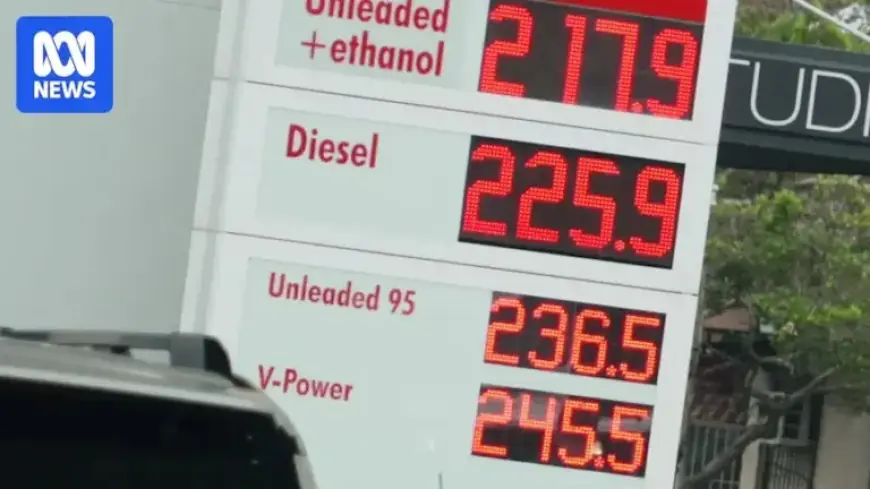
Recent fluctuations in oil prices are causing significant economic concerns, particularly in Australia. The National Australia Bank (NAB) has warned that the increase in petrol prices could push inflation rates above 5% in the near future. This comes amid a 25% surge in oil prices, with Brent crude surpassing $115 per barrel, influenced largely by ongoing conflicts in the Middle East.
Current Oil Price Trends and Their Implications
On Monday, oil prices experienced a sharp increase, described by market analysts as a “furious rise.” As tensions in the region escalate, experts are closely monitoring the supply chain’s response. RBC Capital Markets analyst Helima Croft remarked on the unprecedented oil supply shock reminiscent of the 1970s. According to her, the conflict is disrupting crucial oil transit points, notably the Strait of Hormuz, which channels approximately one-fifth of the world’s oil.
The Impact of Middle Eastern Conflicts
These geopolitical tensions have led to significant disruptions in oil production. In Iraq, oil output from major southern fields has plummeted by 70% due to export limitations. Damages to supply infrastructure across the region have only exacerbated the situation.
- Brent Crude Price: Surpassed $115 per barrel.
- Iraqi Oil Production: Decreased by 70%.
- Strait of Hormuz: Key oil transit point, affecting global supply.
Petrol Prices Surge Across Australia
Australians are already experiencing the effects of rising oil prices at the petrol pump. In Broome, Western Australia, petrol prices have surged to $2.42 per litre, while other regions have reported similarly high costs. The average price of E10 in New South Wales is now around $2.07, with fluctuations across various locations.
- Broome, WA: $2.42 per litre.
- New South Wales and ACT: Average of $2.07 for E10.
- Darwin: Prices range from $1.99 to $2.21.
- Perth: Average price is $1.92.
- Tasmania: Average price is $1.99.
Market Reactions and Supply Restrictions
In response to these hikes, fuel wholesalers such as United Petroleum have begun rationing supplies. Other major players, including Ampol and BP, have restricted sales as domestic demand continues to soar. Many motorists are resorting to filling jerry cans in anticipation of further price increases.
Bartranz Petroleum, a Queensland fuel distributor, revealed it received only 10% of its usual transport allocation. While no disruptions have occurred in Singapore-bound fuel supplies, the surge in demand has created challenges for local distributors.
Inflation Predictions from NAB
The NAB indicates that unless petrol prices revert quickly, inflation could rise significantly. Senior economist Taylor Nugent projected that inflation would likely exceed 5% in the second quarter of the year unless benchmark fuel prices decrease. Additionally, the economic implications of rising energy costs could prompt the Reserve Bank of Australia to reassess its monetary policy.
- Inflation Forecast: Expected to peak above 5% in Q2.
- Possible Interest Rate Hike: 36% chance of a rate increase by the Reserve Bank.
As the situation unfolds, the impacts on both the global market and Australian consumers are expected to be profound, with further economic adjustments likely necessary to navigate the ongoing crisis.