Markets Sweat Intensively Last Week: Now Facing a Meltdown

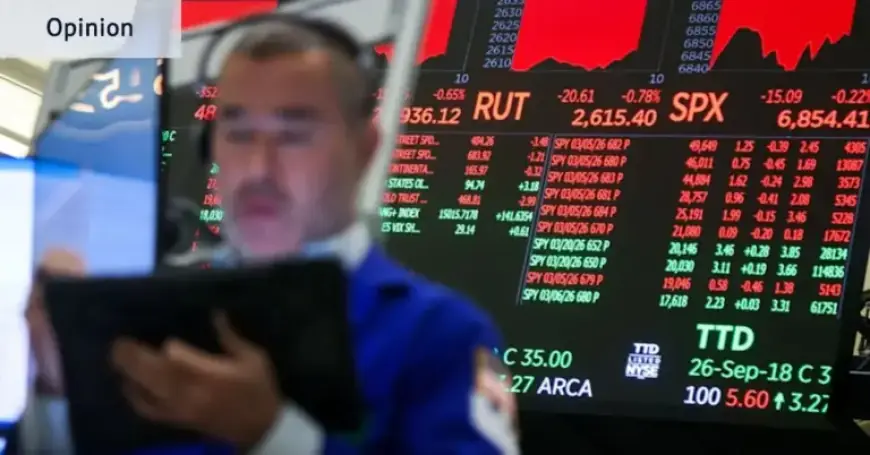
Last week, global markets faced significant turmoil, leading investors to brace for potential meltdowns. The chaos was spurred by escalating military actions in the Middle East, particularly involving Iran, and the subsequent surging oil prices. These factors created a precarious situation for equities worldwide, prompting questions about the stability of the economic landscape.
Market Reactions to Geopolitical Events
On March 9, 2026, the Australian market became the first major exchange to react to escalating bombings in Iran and the closure of the Strait of Hormuz, a vital oil shipping route.
- The ASX200 index experienced a dramatic drop, sinking more than 4% by midday.
- This decline wiped out over $110 billion in market value, highlighting the severity of the situation.
- Comparatively, this was only the third significant market meltdown in the last six years.
International Impact
As markets opened globally, the damage continued. Notable declines included:
- Japan: down 6.2%
- South Korea: down 6.7%
- Hong Kong’s Hang Seng: down 3.2%
U.S. futures indicated an impending decline of approximately 2.5% when trading commenced on Wall Street. Analysts attribute these fluctuations to the steady rise in the global oil prices, with the West Texas Intermediate reaching over $110 a barrel compared to just $61 two weeks prior.
Potential Consequences of Rising Oil Prices
The increasing oil prices are raising alarms about inflation and economic growth. Investors fear that sustained high prices may hinder growth and fuel inflation, which are detrimental to equity markets. Markets have previously reacted similarly during the COVID-19 pandemic and after the introduction of Trump’s Liberation Day tariffs.
Investor Sentiment and Sector Responses
Investor sentiment turned bearish, with sector performance reflecting the chaos. While oil and gas stocks, particularly Woodside, stood resilient, the broader Australian market faced declines.
- BHP: down over 6%
- Commonwealth Bank: down 4%
- Wesfarmers: down 2.7%
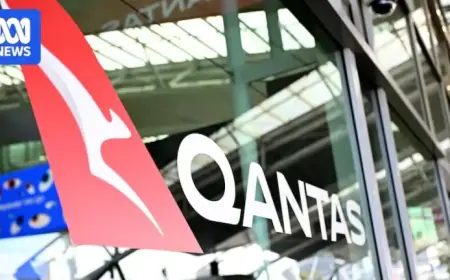
Airline stocks also suffered significantly, driven by fears of travel disruptions due to the conflict. Qantas dropped 5.7%, while Virgin experienced a steep decline of 9% in share prices.
Looking Ahead
As markets brace for ongoing volatility, investors are left contemplating the next steps. With the geopolitical landscape shifting and oil prices soaring, the potential for additional market disruptions looms large. Caution is advised as the full impact of these events unfolds.