Oil Prices Hit $100 Amid US Energy Secretary’s Iran War Outlook

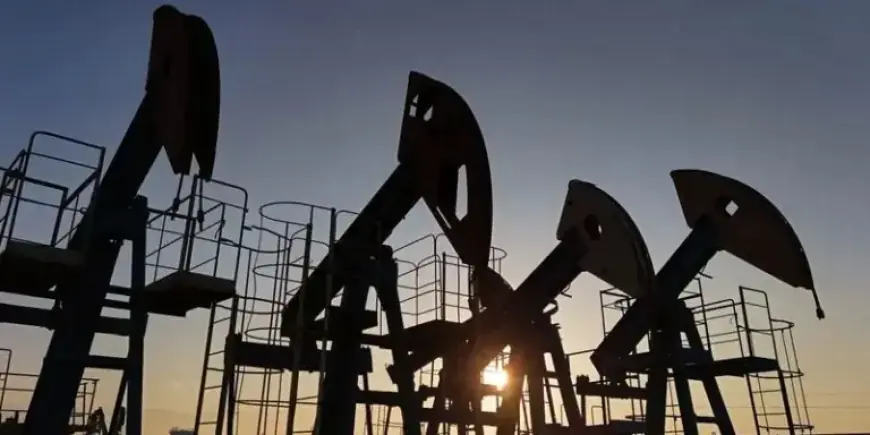
The recent surge in oil prices has raised alarm among consumers and industry experts alike. The price of a barrel of oil has crossed the $100 mark for the first time in nearly four years. This spike occurred shortly after U.S. Energy Secretary Chris Wright appeared on various news programs to address these rising prices amidst tensions with Iran.
U.S. Energy Secretary’s Comments on Oil Prices
During his appearances on Sunday, February 25, Chris Wright sought to alleviate concerns about a long-term conflict with Iran affecting energy markets. He stated, “This is not a long-term war. This is a temporary movement.” He noted that the current price increases are primarily driven by emotional reactions rather than actual shortages in oil or natural gas supplies.
Impact of the Iran Conflict on Oil Supply
The tensions escalated after a series of airstrikes by the U.S. and Israel on Iran on February 28. In response, Iran quickly acted to shut down the Strait of Hormuz, a crucial maritime corridor for global oil transport. Approximately 20% of the world’s petroleum liquids transit through this vital waterway, which has only intensified concerns about supply disruptions.
- Key stats on oil movement:
- 20% of global petroleum passes through the Strait of Hormuz.
- Iraq’s oil production has decreased by 60% since February 28.
- Kuwait and the UAE have also scaled back their oil output.
Rising Gas Prices for Consumers
The U.S. Energy Information Administration reports significant fluctuations in gas prices over the past weeks. On February 23, the average price was $2.93 per gallon. By March 2, it jumped to $3.15, reaching $3.40 on the last Sunday of February.
Wright expressed optimism that normal shipping through the Strait of Hormuz could resume within weeks. “We want it back below $3 a gallon,” he said, indicating that prices might stabilize sooner than anticipated. His forecast suggests that in the worst-case scenario, relief may be just weeks away, not months.
As global oil prices remain volatile, consumers are watching closely. The dynamics between international conflicts and energy markets will continue to play a significant role in shaping fuel costs in the upcoming weeks.