Woodside Share Price Down After Oil Jumps, Investors Watch Supply Risks

Retail and institutional investors face renewed volatility after the woodside share price fell, cutting short-term gains for holders. Thursday at 11: 15 a. m. ET, global oil benchmarks spiked roughly 16% over the week, prompting fresh attention on Woodside and Santos shares as energy markets shifted.
Investors Hold Stocks as Woodside and Santos See Diverging Short-Term Moves
Shareholders in Australian energy producers experienced mixed returns this session: the Woodside share price is down 3. 19% to $29. 77, while the Santos share price is down 0. 69% to $7. 20, at the time of writing. Still, both stocks have trended higher over the past week, with Woodside up about 5. 5% and Santos up nearly 6% for that period.
Woodside Share Price Movement Tied to a Weeklong Oil Surge
The immediate trigger was a rapid rise in global crude values; West Texas Intermediate traded near US$75. 66 per barrel and Brent sat near US$82 per barrel, each representing roughly a 16% increase over the past week. That spike pushed investors to reassess short-term exposure to energy producers with heavy oil and LNG operations.
West Texas Intermediate and Brent Gains Reignite Focus on Woodside’s Operations
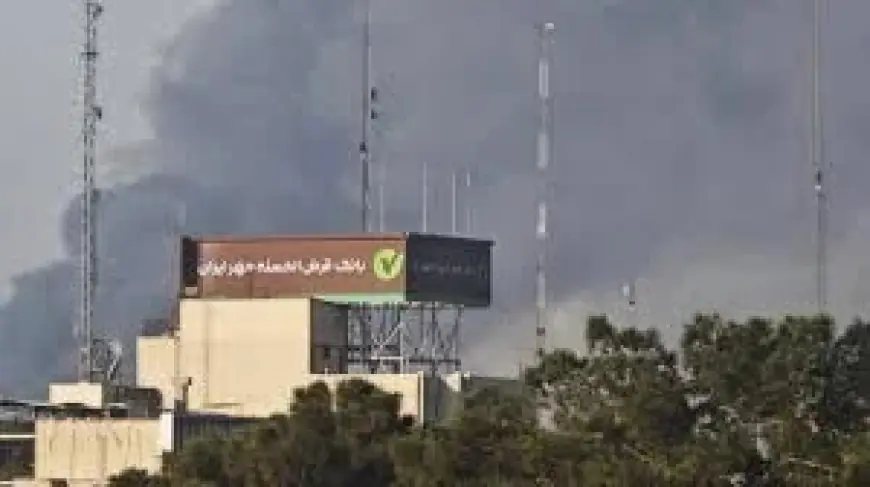
Market attention has concentrated on Woodside because it is Australia’s largest listed oil and LNG producer, with major operations spanning Western Australia, the Gulf of Mexico, and other international regions. Investors are watching whether geopolitical risks in the Middle East will escalate supply concerns and sustain higher crude prices.
For now, investors holding Woodside and Santos shares must weigh modest intraday declines against weekly gains established before the recent oil jump; the woodside share price has already recovered some ground over the seven-day span even as it trades lower today.
If supply risks intensify in the Middle East, further upward pressure on oil benchmarks is expected, which would likely influence share prices in the sector in coming days.