Murban Surge Sends Crude Oil Price Above $100, Threatening Risk Assets

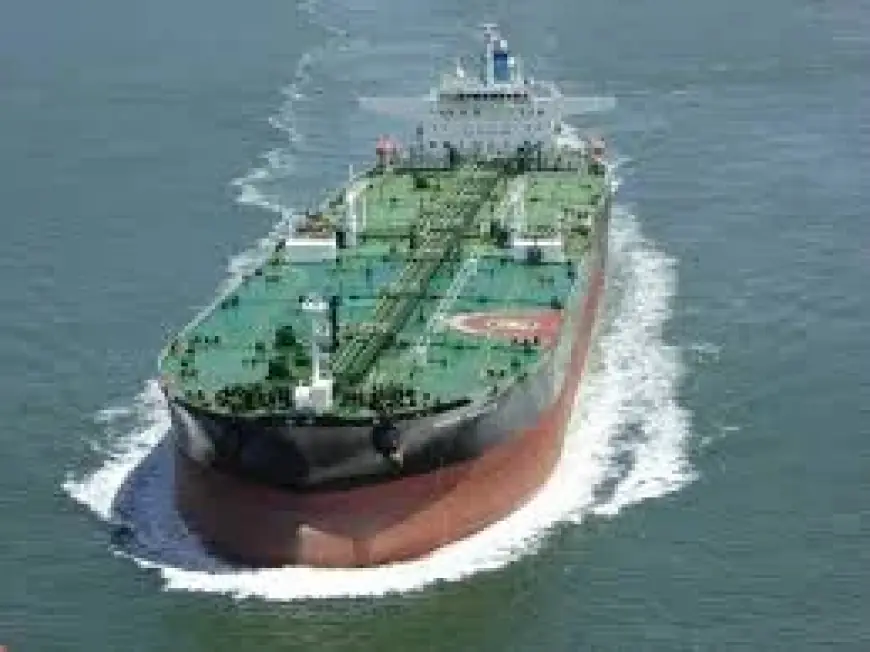
Refiners paying steep premiums for prompt cargoes and investors in bitcoin face tighter liquidity and higher costs after Murban barrels that can bypass chokepoints pushed the crude oil price above $100. Sunday at 3: 00 p. m. ET, Murban traded above $103 per barrel, signaling acute supply strain.
Refiners and Bitcoin Holders Hurt by Strait of Hormuz Disruptions
Refiners competing for physical deliveries are paying up for cargoes that can avoid the Strait of Hormuz, while holders of bitcoin have already seen volatility tied to market stress. Since the military conflict between the U. S., Israel and Iran began a week ago, Iran has significantly disrupted oil flows through the Strait of Hormuz, a route that facilitates over $500 billion in oil and gas trade annually.
Crude Oil Price: Murban’s Premium Signals Prompt Physical Demand
Murban is a premium, light, sweet crude produced by the Abu Dhabi National Oil Company from onshore fields in the UAE and exported through the Fujairah Oil Terminal, a hub outside the Strait of Hormuz that can still safely reach buyers in Asia and parts of Europe. Traders are now treating Murban as the benchmark for barrels that can reliably reach global buyers, creating strong competition among refiners for prompt cargoes and shifting focus from futures speculation to immediate physical deliveries.
Brent and WTI Could Follow as Markets Price Geopolitical Risk
The structure of global futures markets is already reflecting a short-term supply crunch: front-month Brent contracts have widened sharply versus the next month, with a May‑June gap of $4. 37 on Thursday and intraday moves above $5, the largest spread since July 2022. That front-month richness is warping the crude oil price term structure, highlighting how accessibility and prompt supply are driving valuations ahead of longer-dated contracts.
Still, the market split between vulnerable barrels that depend on chokepoints and barrels that can move alternative hubs is clear. A sharp rise in accessible barrels’ value indicates refiners are bidding for immediate supply rather than positioning in futures, and this prompt-market squeeze could transmit into broader benchmarks. WTI and Brent have already surged roughly 30% since the onset of the conflict, amplifying pressure on risk assets and fiat liquidity.
For holders of bitcoin, the risk is twofold: oil-driven inflation fears can tighten liquidity and increase the chance of monetary policy responses, while heightened market stress has already driven large swings in crypto prices. Bitcoin last traded near $67, 000, after hitting highs close to $74, 000 earlier in the week, illustrating how energy shocks are coinciding with crypto volatility.
That division of the market—barrels that can move reliably versus those blocked by chokepoints—means refiners in Asia, including buyers in Japan, India, Thailand and the Philippines, are competing more intensely for Fujairah-exported cargoes. The premium for prompt deliveries is a direct cost for refiners and, by extension, for consumers if the squeeze persists.
Yet, there are countervailing signs: some market observers note the global crude market is better supplied than in 2022, offering more capacity to absorb shocks than during past crises. Still, the near-term term-structure dislocations and the Murban premium underscore how quickly physical accessibility can translate into higher prices across benchmarks.
If the Murban premium persists, WTI and Brent could quickly move into three figures when markets open on Monday.