Local Refiners Request Federal Aid Amid Growing Fuel Supply Concerns

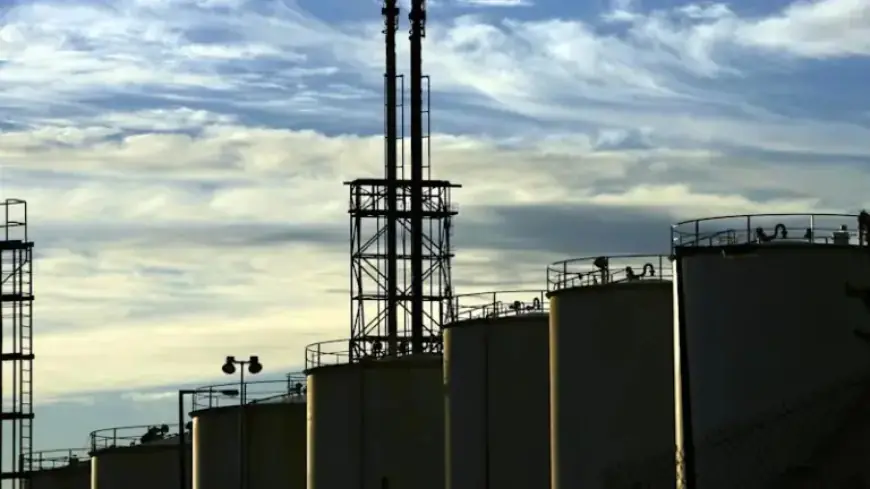
Australia’s final two oil refineries are in crucial negotiations with the Albanese government for increased federal aid. This request comes amid heightened concerns over fuel supply, largely influenced by the ongoing conflict in the Middle East and its impact on global oil prices.
Local Refiners Face Uncertain Future
The Geelong refinery, operated by Viva Energy, and the Lytton facility owned by Ampol are the only remaining oil refineries in Australia. The existing support from the government is set to expire mid-next year, putting thousands of refinery jobs at risk.
Australia relies on imports for approximately 90% of its liquid fuel. With the geopolitical tensions causing disruptions in the Strait of Hormuz, local refiners are emphasizing the importance of maintaining domestic refining capabilities.
Current Negotiations
Negotiations have been described as “constructive,” yet refinery owners stress the need for a swift resolution. They seek adjustments to subsidies reflecting the increased operational costs due to inflation and rising energy prices.
- Viva Energy’s CEO Scott Wyatt highlighted the critical nature of liquid fuel supply security.
- Australia has lost about 70% of its local refining capacity over the past 15 years.
- The two refineries mentioned are vital for producing petrol, diesel, and jet fuel.
Both Geelong and Lytton refineries have been under continuous pressure from cheaper imports and recent events, like the pandemic, which severely affected fuel demand and led to closures of other refineries.
Government Support and Fuel Security
The Albanese government has indicated its support for the local refining industry. Energy Minister Chris Bowen has reiterated a commitment to backing remaining refineries, contrasting previous administrations that allowed several plants to close.
Refineries currently receive a Fuel Security Service Payment, which provides a subsidy for locally produced fuel. However, this support is now under review, prompting refiners to advocate for more assistance.
Impact of Global Oil Prices
Recent conflicts, specifically in the Middle East, have raised global oil prices significantly, which experts predict could lead to higher costs for Australian consumers. The price of crude oil has risen by over 20% since the conflict began, with current costs around $90 per barrel.
According to Tom Allen, an energy analyst at UBS, Australia faces the risk of higher prices but does not have an immediate supply shortage. Recent government reports reveal that Australia has enough petrol in storage for 36 days and diesel for 34 days, although these numbers fall short of the recommended 90-day stockpile.
Conclusion
The negotiations between local refiners and the federal government are critical for ensuring Australia’s fuel supply security. The outcome is expected within the next three weeks, with refiners urging for timely support to maintain operations and jobs in the industry.