Rising Oil Price Threatens American Consumers with Weeks of Higher Fuel Bills

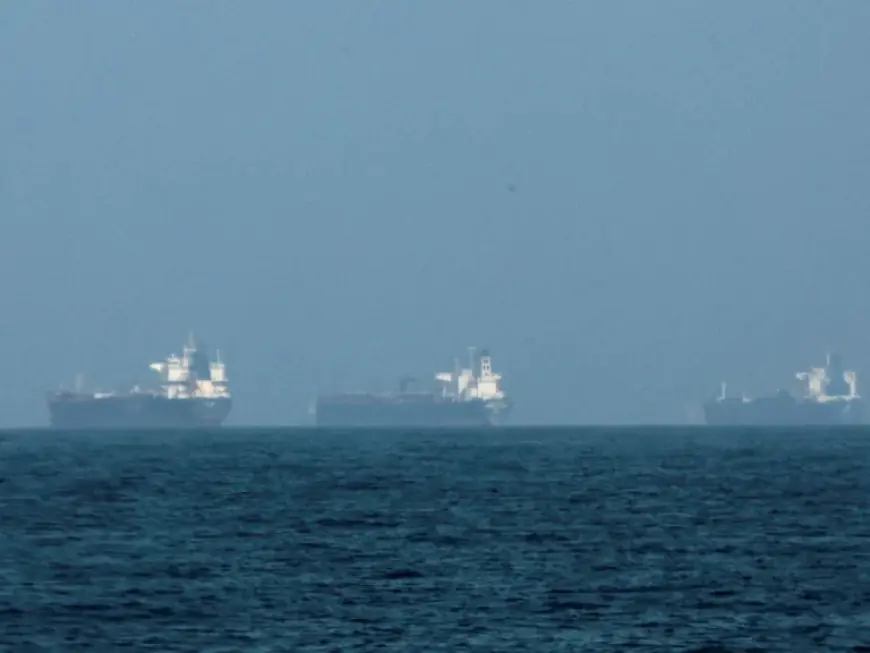
American drivers and businesses face immediate higher pump and heating costs as the oil price climbs, Tuesday at 9: 14 a. m. ET. The United States-Israeli war on Iran has already suspended about a fifth of global crude and natural gas supply, tightening supplies that feed U. S. fuel markets.
United States consumers feel squeeze as Oil Price and pump costs rise
U. S. motorists are seeing tangible increases: the national average petrol price reached $3. 41 per gallon on Saturday, up $0. 43 over the prior week, while diesel also rose sharply in the same period. Global oil prices have surged by more than 25 percent since the start of the conflict, a jump that is feeding through to retail fuel costs and commercial fuel contracts in the United States.
Strait of Hormuz chokepoints force Saudi Arabia, UAE, Iraq and Kuwait to halt shipments
Traffic through the Strait of Hormuz has nearly stopped, leaving about 200 tankers effectively stranded and prompting the region’s top producers — Saudi Arabia, the United Arab Emirates, Iraq and Kuwait — to suspend shipments that could total as much as 140 million barrels, equal to about 1. 4 days of global demand. That operational disruption has forced some oilfields to cut production and is filling regional storage at a rapid pace.
Goldman Sachs, JP Morgan and regional leaders warn of prolonged market strain
Major financial firms and market analysts are flagging further upside risk: Goldman Sachs warned oil prices could climb above $100 per barrel if shipping disruptions continue, while JP Morgan analysts noted markets are shifting from pricing geopolitical risk to grappling with tangible operational disruption such as refinery shutdowns and export constraints. U. S. crude settled just below $91 per barrel on Friday, marking one of the largest weekly gains on record in available data.
Still, current retail increases remain below the extreme spikes seen in past supply shocks. Early rises this week are notably smaller than the escalations in 2022, when U. S. pump prices and some fuels exceeded $5 a gallon in June 2022. For now, U. S. consumers are experiencing steady but significant upward pressure rather than an immediate repeat of that peak.
Small and developing countries are already reporting economic stress from disrupted shipping and rising freight costs. Djibouti’s finance minister warned the fighting would bring severe economic consequences for developing countries, and Egypt’s president characterized his country’s economy as in a state of near-emergency, citing growing inflation tied to the regional turmoil.
Insurance premiums for vessels identified as American, British, or Israeli have risen significantly because of the increased perceived risk of attack, adding to the cost of moving oil and other goods. With more than 80 percent of global trade carried by sea, higher freight costs and delayed deliveries are expected to ripple through supply chains and consumer prices beyond fuel.
If shipments through the Strait of Hormuz are restored, oil price pressure is expected to ease.