Crude Oil Price Surges Above $100 as Iran War Disrupts Gulf Exports

Monday at 7: 55 a. m. ET — The crude oil price has climbed past $100 a barrel as recent military escalation in the Middle East has removed millions of barrels from global trade, driving benchmark Brent and US crude sharply higher. The timing reflects sudden supply losses and shipping stoppages that reached a critical threshold this week.
Crude Oil Price Tops $100 as Brent and WTI Jump
Brent crude jumped 16. 6% to $108. 10 a barrel in early trading, and West Texas Intermediate rose nearly 19. 6% to about $108. 72 a barrel, pushing global prices back into triple digits for the first time since 2022. Markets cited an immediate shortfall in available exports as the primary driver; analysts and traders noted the move followed an intense week of attacks and precautionary production cuts.
Strait of Hormuz Disruptions Remove Millions of Barrels
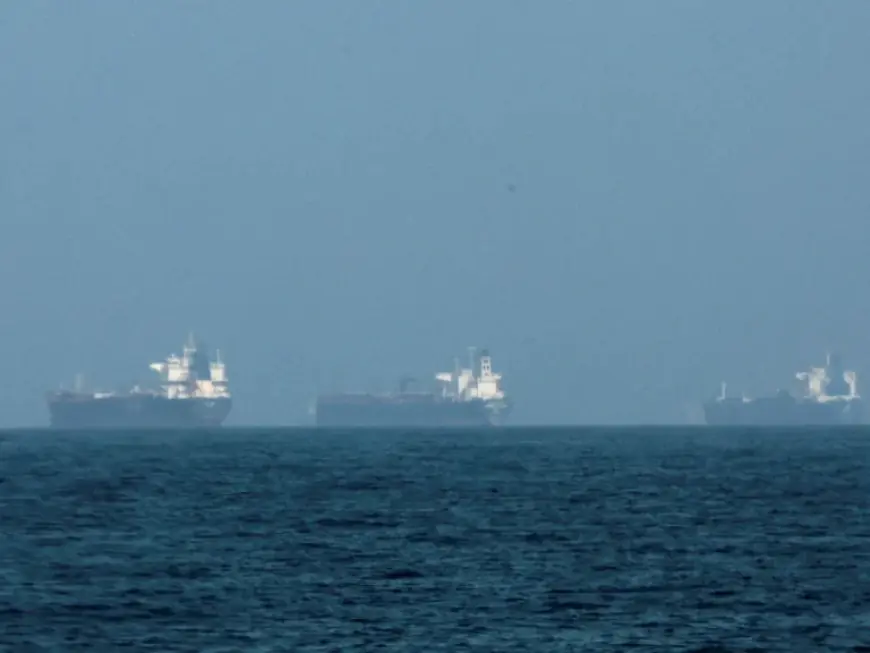
Traffic through the Strait of Hormuz has almost completely stopped after threats to vessels, leaving roughly 200 tankers stranded and prompting some Gulf producers to suspend shipments. The stoppage has effectively removed tens of millions of barrels from daily flow to refiners, and comments from regional officials warn that storage facilities are filling and fields could be shut if exports remain blocked.
Energy Policy Responses and Consumer Price Effects in the UK and US
Immediate consumer impacts have surfaced: UK petrol rose to an average of 132. 14p per litre and diesel to 142. 15p per litre in weekly figures, while US pump prices climbed roughly 23 cents per gallon for petrol and 41 cents for diesel in a single week. UK gas benchmark pricing briefly topped levels last seen a year after the 2022 Ukraine war, and the UK energy price cap remains set at its current level until July, shielding some households for now.
Still, traders warned that if shipping risks persist, refiners and storage operators could force producers to cut output further, tightening supplies and keeping the crude oil price elevated. Some Gulf producers have already taken precautionary production actions this week, and insurance premiums for vessels linked to certain nationalities have risen sharply because of higher perceived attack risk.
That operational squeeze has unfolded quickly: global prices rose after a concentrated period of escalating conflict in the region, and major market benchmarks recorded their largest weekly gains in years. Analysts cited a shift from pricing geopolitical risk to pricing tangible disruptions — refinery shutdowns, halted shipments, and full storage tanks — that immediately impair crude processing and regional flows.
Consumers and businesses are feeling early effects. In the US the national average petrol price reached $3. 41 per gallon on Saturday, up by $0. 43 over the prior week, while energy ministers and economists warned that prolonged disruption could force further production cuts and lift prices toward higher thresholds seen during previous crises.
For now, the market reaction is concentrated and acute: Brent and WTI both jumped into triple digits in the wake of the week’s events, reversing earlier expectations that prices would remain contained. Observers note that a combination of halted shipping through a crucial choke point and precautionary national cuts has created a deficit measured in millions of barrels each day.
Officials and industry participants have floated contingency measures such as rerouting exports, drawing on emergency reserves, or extending government-backed insurance to shipping firms, but market commentary this week emphasized that such steps may not fully offset the current loss of supply until transit through the strait normalizes and storage pressures ease.
The energy price cap in the UK is scheduled to stay at its current level until July; if gas and oil prices remain elevated, policymakers may face pressure to adjust household support measures. If shipping through the Strait of Hormuz does not resume and Gulf storage fills further, market participants expect additional production shutdowns that could keep the crude oil price above current levels.