Brent Crude Price Surges Above $100, Squeezing Global Supply After Iran War

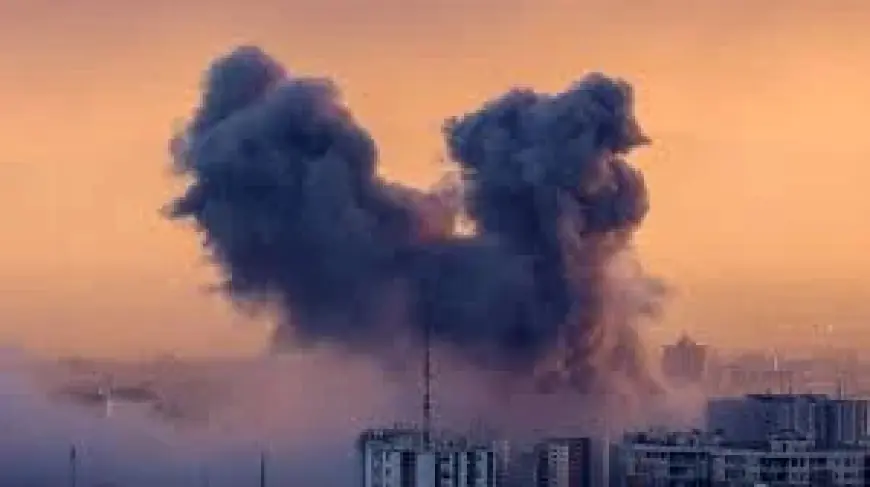
Markets now face sustained triple-digit oil benchmarks and tighter daily supply as the brent crude price has pushed key benchmarks above $100 a barrel, removing 20 million barrels a day from circulation. Monday at 9: 00 a. m. ET, escalating military aggression in the Middle East drove that shift, snarling flows through the Strait of Hormuz and repricing risk for traders.
Brent Crude Price Tops $108. 10 as Benchmarks Leap
Brent crude jumped 16. 6% to $108. 10 a barrel and the U. S. West Texas Intermediate benchmark rose 19. 6% to $108. 72, marking the first return to triple digits since 2022 and a roughly two-thirds increase from just above $60 at the start of the year. Those moves came as Asia Pacific trading began the week and pre-market data put Wall Street on course to open lower on Monday, signaling immediate financial-market stress.
Kuwait Production Cut and 20m Barrels a Day Vanish from Market
Kuwait’s national oil company announced a precautionary cut to crude production after a weekend of escalating conflict, part of a broader disruption that has wiped about 20 million barrels from the market each day. Hundreds of tankers attempting to transit the Strait of Hormuz have halted after Iran’s Revolutionary Guards threatened to set ablaze any vessel using the route, while oil storage facilities in Saudi Arabia, the United Arab Emirates and Kuwait are reaching capacity limits and may force major oilfields to shut down if exports cannot resume.
White House Contingencies, Strait of Hormuz Disruption and Warnings From Clayton Seigle
The U. S. executive branch suggested countermeasures including rerouting Saudi crude the Red Sea, drawing on emergency U. S. crude reserves and extending government-backed insurance to shipping companies. The disruption follows a U. S. -Israeli attack that has impeded the vital Strait of Hormuz trade route. Clayton Seigle, a senior fellow at the Center for Strategic and International Studies, warned that exports from the Middle East would not resume until shipowners, operators and insurers felt sufficiently safe from threats posed by Iranian warships, aircraft, missiles, drones, speedboats and naval mines.
What happens next is tied to both shipping security and on-the-ground escalation: Wall Street’s opening on Monday will register immediate market reaction, and if the war continues unabated, Qatar’s energy minister predicted that all Gulf energy exporters could be forced to shut down production within weeks and oil prices would reach $150 a barrel. If that scenario holds, global supply shortfalls would intensify rapidly and the current price surge could deepen within a matter of weeks.