Iran Conflict Escalates, Driving Oil Prices Beyond $100 a Barrel

The recent conflict in Iran has significantly impacted global oil prices, pushing them above $100 per barrel for the first time since early 2022. Investors are increasingly apprehensive about prolonged disruptions in Middle Eastern oil supplies amid escalating tensions.
Oil Price Surge Amid Conflict
As of Sunday, US crude futures experienced a sharp rise of 14.7%. Brent crude, the global benchmark, increased by 12.63%, reaching $104 per barrel by 6:06 p.m. ET. This spike has been linked to fears surrounding the ongoing conflict in Iran.
Market Reactions
- Dow futures fell by 851.6 points, or 2%.
- S&P 500 futures dropped 1.73%.
- Nasdaq futures decreased by 1.65%.
These declines reflect concerns that energy market shocks may fuel inflationary pressures in the United States.
Impact on U.S. Gasoline Prices
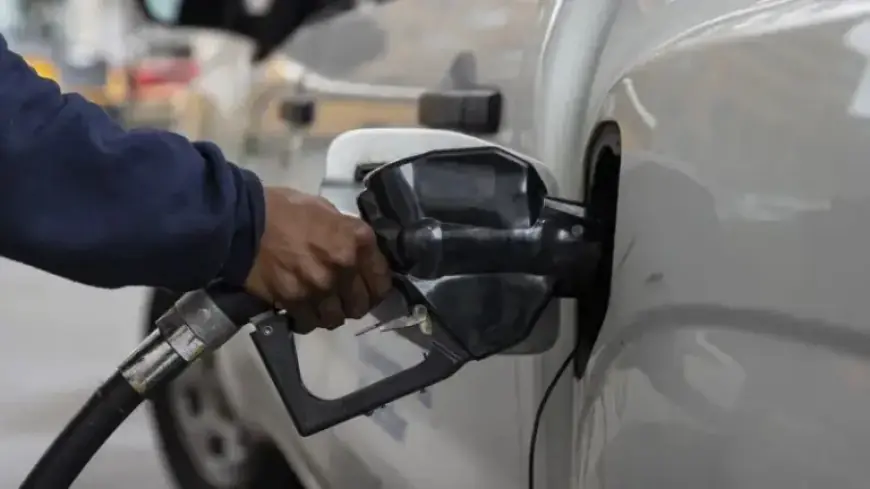
The escalation in oil prices has led to a spike in gasoline costs. The average price in the U.S. reached $3.45 per gallon on Sunday, marking a 16% increase from the previous week, according to AAA data. This rise in fuel prices could complicate economic affordability issues for American consumers as midterm elections approach.
Government Response
In response to growing concerns over rising gas prices, President Donald Trump addressed the issue, describing the price jump as a “little glitch.” He characterized the rapid rise as an expected “detour.”
Energy Secretary Chris Wright also reassured the public during an appearance on CNN, stating that the U.S. does not plan to target Iran’s oil or energy infrastructure in its military campaign.
Iran’s Stance and Strategic Waters
An Iranian official indicated that the conflict is entering a new phase following military strikes by Israel. The official suggested potential retaliation that could impact regional energy infrastructure.
Control Over the Strait of Hormuz
The Strait of Hormuz, a critical waterway for global oil transit, is under Iranian control. Approximately 20% of the world’s oil passes through this narrow passage. Iran has issued threats to target any oil tankers navigating through the strait, which may further disrupt trade.
Consequences for Oil Producers
With limited storage capacity, oil producers are responding to the crisis by scaling back production. This could lead to a volatile market characterized by fluctuating supply and pricing in the coming weeks.
The implications of the conflict in Iran continue to unfold, with potential long-term effects on global oil dynamics and U.S. economic stability.