Global Markets Brace for Historic Oil Output Disruption, Energy Expert Warns

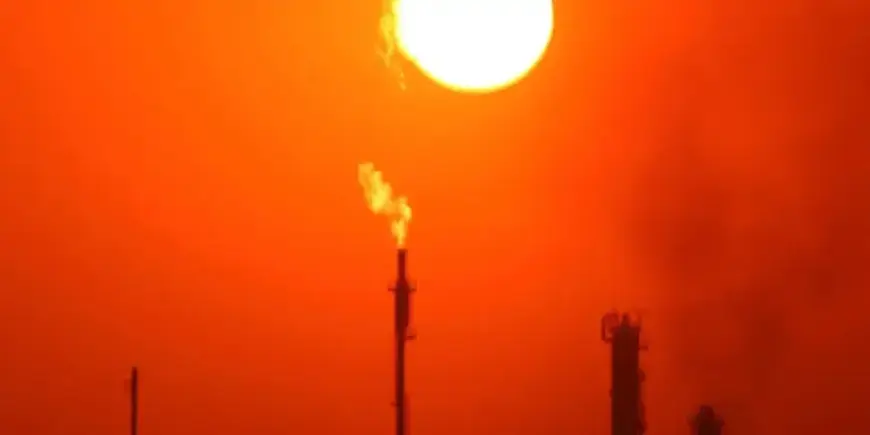
The ongoing conflict between the U.S. and Iran is poised to create a historic disruption in global oil output. Energy expert Daniel Yergin warns that the closure of the Strait of Hormuz, a critical maritime route for oil and liquefied natural gas, could lead to skyrocketing prices and significant economic downturns worldwide.
Historical Context of Oil Disruptions
This crisis traces its roots back to the late 1970s when Iranian oil workers went on strike amid the Islamic Revolution. Yergin, vice chair of S&P Global and author of “The Prize,” highlights the potential for a similar scenario where oil flow through the Gulf could be severely impacted by conflict-induced interruptions.
Current Crisis Unfolding
Since the war escalated a week ago, crude oil prices have surged by 36%. The Strait of Hormuz handles about 20% of global oil shipments. The conflict has caused major producers in the Persian Gulf to reduce output as storage facilities reach their limits.
Production Cuts in the Region
- Iraq has cut its output by 60%, reducing production to approximately 1.7 to 1.8 million barrels per day from nearly 4.3 million.
- Kuwait and the United Arab Emirates have also decreased crude production.
- Qatar has throttled back on liquefied natural gas (LNG) production, causing spot LNG prices in Asia to nearly double since the conflict began.
Meanwhile, European natural gas prices have surged by about 50%. Yergin emphasizes that the greatest fear is extended damage to oil infrastructure, leading to long-term supply shortages.
Military Engagements and Infrastructure Attacks
Iran has begun targeting the oil infrastructure of neighboring Gulf countries. However, U.S.-Israeli airstrikes have reportedly hit a significant refinery near Tehran, affecting both military and civilian fuel supplies. With heightened conflict, the landscape of the global economy remains vastly different from the oil crises of the past.
The Economic Impact
As of Friday, Brent crude settled at $92.69 per barrel, while West Texas Intermediate ended at $90.90. Although some analysts suggest oil could reach $100 per barrel, the markets have yet to reflect this possibility. Yergin notes that current rates in the $90s, while concerning, are not the most dire predictions.
Future Considerations for Energy Markets
The key question remains: how long will this conflict affect oil production and energy markets worldwide? There are no signs of de-escalation from either the U.S. or Iran. President Donald Trump has demanded complete surrender from Iran, while Tehran continues its military targets.
To safeguard shipping routes, the U.S. Navy plans to escort oil tankers through the Strait of Hormuz amidst operational challenges. Robin Brooks from the Brookings Institution cautions that the logistical challenges of protecting numerous vessels could lead to a significantly larger oil crisis if just a few drones are successful in their missions against shipping.
The situation remains fluid, and the world watches closely as events unfold in this historically significant oil crisis. Visit Filmogaz.com for ongoing updates and insights.