Halt on Green Investments Slows Progress Toward Renewable Energy Goal

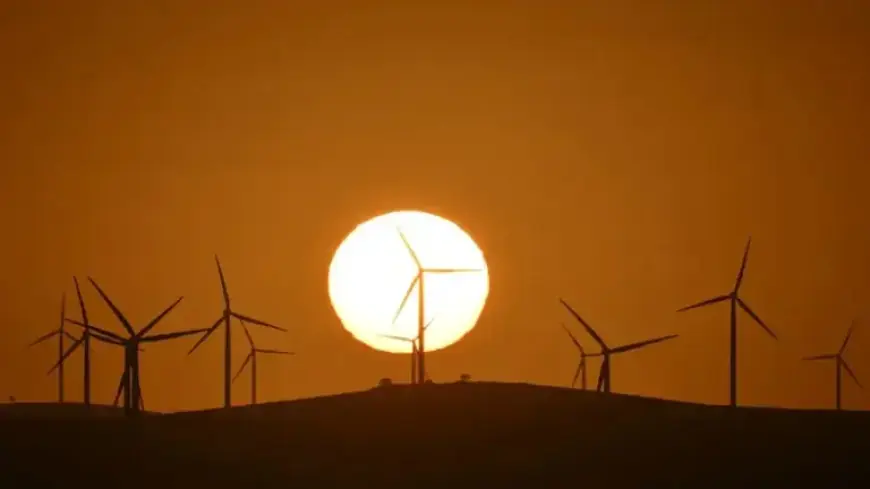
The Albanese government of Australia is facing a significant challenge in its journey toward renewable energy. Amidst efforts to manage the federal budget, no additional funds will be allocated for renewable projects in 2024. This decision comes as Australia strives to achieve its target of sourcing 82% of its electricity from green energy by 2030.
Stalling Progress on Green Investments
Since Labor’s ascent to power in 2022, federal budgets have funneled billions into renewable energy projects. However, the upcoming budget, scheduled for release on May 12, 2024, will break from this trend. While past budgets have included substantial investments, including $2 billion for the creation of a green bank in 2025, the current budget will not expand funding for wind and solar initiatives.
Urgent Need for Renewable Energy Projects
To adhere to the Paris Agreement, Australia must reduce greenhouse gas emissions by at least 62% by 2035. The successful rollout of renewable energy projects, including necessary infrastructure, is essential for meeting these commitments. Key officials have confirmed that no new budget measures for renewable spending will be introduced.
Government Response and Budget Measures
Several senior officials, including Steven Kennedy from the Department of Prime Minister and Cabinet, have noted that existing environmental law reforms will provide the necessary support for renewables. Additionally, Treasury is contemplating recovering $3 billion by reducing the fringe benefit tax waiver for electric vehicle leases.
- Sales of electric vehicles tripled in the last three years.
- Transport emissions dropped in the December quarter, marking the first decline outside of COVID restrictions.
- The Cheaper Home Battery program has received over $7 billion since its inception, aiming to install 500,000 units in its first year.
Concerns over Future Funding
Amid these developments, industry insiders are expressing concerns that certain popular programs may see funding reductions. The government’s signature manufacturing initiative, the $22.7 billion Future Made in Australia fund, is also under scrutiny. This fund encompasses significant support for solar and battery projects, including the $1 billion Solar Sunshot program.
Challenges in Meeting Renewable Energy Targets
Despite the government’s assurances, analysts from Rystad Energy and the Grattan Institute warn that Australia’s 2030 green energy target is at risk. The delays in project approvals, fueled by planning disputes and cost overruns, threaten timely progress. Minister Chris Bowen maintains that the Capacity Investment Scheme will ultimately help meet the 82% green energy target.
Current Energy Landscape
Green energy contributions to Australia’s electricity grid increased from 35% in 2022 to a projected 43% by 2025. However, the Australian Energy Market Operator cautions against complacency, stating that the pace of renewable rollout is insufficient to stabilize supply and prices as coal power plants are set to close.
In total, the government has pledged over $70 billion for emission reductions across various economic sectors within the next two decades.