Utah Launches Major Great Salt Lake Rescue for 2034 Olympics

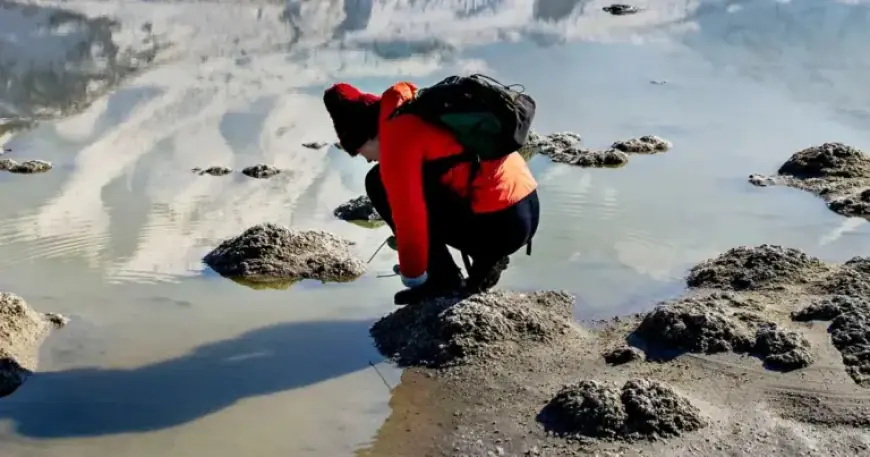
The Great Salt Lake, a vital ecosystem in Utah, faces significant challenges from both drought and human activity. A report from 2022 indicates that approximately 75% of the lake’s decline is attributable to human factors, primarily excessive water extraction over the years. In response to this crisis, state officials initiated interventions in 2022.
Utah’s Commitment to Great Salt Lake Rescue
To address the ongoing issues, Utah lawmakers established a $40 million water trust aimed at enhancing water quality and quantity for the Great Salt Lake. Significant changes were made to Utah water law, now designating the lake as a “beneficial use.” This adjustment incentivizes farmers to keep their water allotments flowing to the lake, mitigating the loss of unused water rights. Furthermore, state officials raised a berm along a causeway separating the lake’s two arms to better manage water and salt flow.
Major Weather Events Aid Lake Recovery
In a fortunate turn of events, the winter that followed these legal reforms brought an exceptional snowpack—twice the usual amount. This helped lower the lake’s salinity, supporting aquatic life. Kevin Perry, an atmospheric scientist at the University of Utah, noted that the increased snow volume significantly diluted the salt levels in the southern part of the lake.
- Environmental Impact: Species returning, including robust populations of insects.
- Director’s Statement: Joel Ferry, from the Utah Department of Natural Resources, remarked, “We have avoided that environmental nuclear bomb.”
Although these interventions and weather conditions have temporarily alleviated some issues, the Great Salt Lake’s water levels remain unhealthy. Concerns persist, especially with predictions of below-average snowpack in the upcoming year, which may lead to renewed challenges for this essential ecosystem.
Looking Ahead to the 2034 Olympics
As Utah prepares for the 2034 Olympics, the condition of the Great Salt Lake becomes an even more pressing issue. The lake is crucial not just for the environment, but also for tourism and local recreation. Continued efforts will be necessary to ensure the lake can sustain its ecological significance and support the state’s aspirations for the future.