Sarabande Visitors Encounter Victoria Ruiz’s Carnival Sculptures, Reflecting Recent Events — The Observer

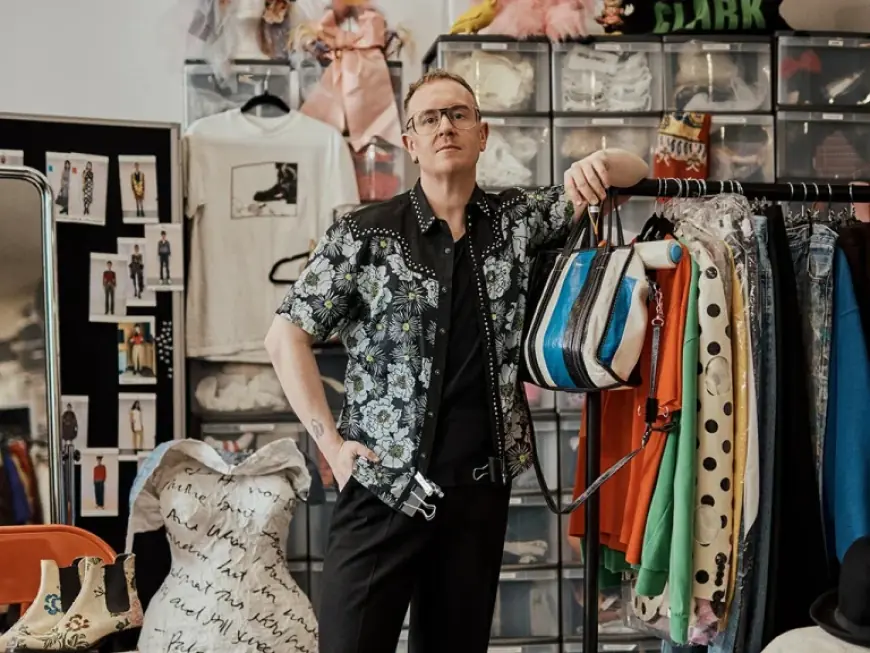
For London audiences and Sarabande attendees, the observer sees wearable sculptures that turn recent events in Victoria Ruiz’s home country into vivid carnival images, Thursday at 9: 14 a. m. ET. The works are on display as part of Sarabande’s International Women’s Day exhibition and are presented while Ruiz is artist in residence.
Victoria Ruiz’s wearable sculptures put local viewers in direct emotional contact
Visitors to Sarabande encounter handmade, wearable sculptures that convey power, solidarity, violence and spirituality; the pieces place viewers face-to-face with imagery tied to Ruiz’s native culture. The series uses brash feathers, flowers and jostling figures to create a carnival spirit that asks audiences to engage with material that is celebratory and confrontational in equal measure.
Sarabande’s International Women’s Day exhibition presents Ruiz’s work in London N1
The pieces are shown as part of Sarabande’s International Women’s Day exhibition at Sarabande Foundation, London N1, and some works will remain on view until 10 March. Ruiz is artist in residence at Sarabande, and the display situates her sculptures within a broader program marking the day, linking the handmade costumes and props with recent events in her home country.
Victoria Ruiz and The Observer: carnival forms respond to recent events
Ruiz created the series in response to recent events in her home country; the sculptures and the poses and props of the figures dressed in them convey histories of resistance to colonial oppression alongside contemporary struggles. That juxtaposition—festivity alongside resistance—frames the exhibition’s intent and shapes how audiences at Sarabande interpret each work.
While the images are visually bold, Ruiz’s approach is expressly multidisciplinary: wearable sculpture meets staged portraiture, and the carnival motifs are used to carry messages rather than only entertain. The result is art that operates on multiple levels for the Sarabande viewer—both aesthetic and narrative.
Some works from the series are presented as wearable objects, inviting consideration of how costume and body intersect in moments of political and spiritual expression. Still, the show balances spectacle with seriousness, asking viewers to notice the ties to Ruiz’s native traditions and the contemporary events that inspired the pieces.
For younger audiences attuned to visual culture, the sculptures echo social-media-ready imagery while retaining handcrafted details: props, materials and the deliberate staging that Ruiz employs during her residency. The exhibition positions those choices next to the longer histories of carnival as resistance, making the work relevant to visitors who recognize both performance and protest.
Curators at Sarabande have placed Ruiz’s pieces within an International Women’s Day program that foregrounds women’s creative responses; this situates the Venezuelan artist’s practice in a roster of contemporary voices responding to political and cultural forces. The placement in London N1 offers a local audience direct access to work rooted in diasporic and native cultural references.
If Sarabande extends the exhibition beyond 10 March, additional works from Ruiz’s residency will remain on display.