Chip Company Conflict Endangers Global Automotive Industry

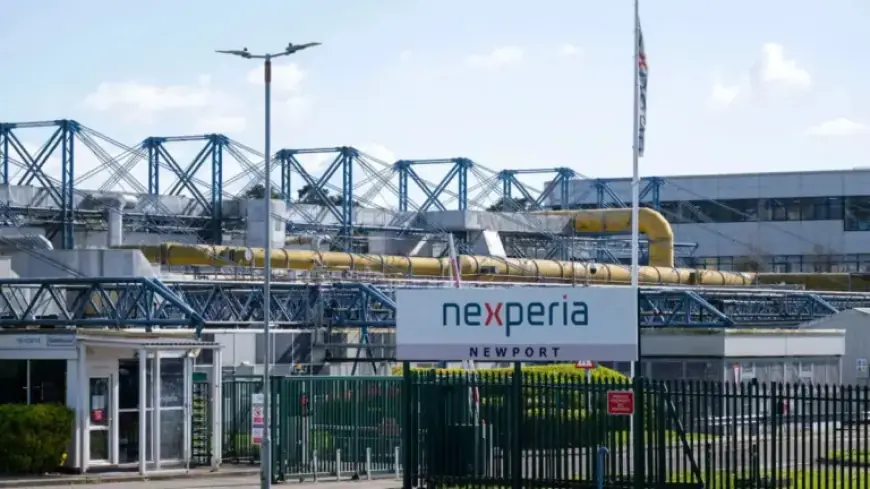
The ongoing conflict between international semiconductor company Nexperia, based in the Netherlands, and its Chinese parent company, Wingtech, is threatening the global automotive industry. This tension could potentially lead to a significant shortage of essential automotive microprocessors, which could disrupt car production worldwide.
Background of Nexperia
Nexperia has a rich history rooted in European electronics. The company, originally tied to British and German firms, became a pivotal player in the semiconductor market. Following its acquisition by Wingtech in 2018, Nexperia expanded its operations in China, particularly in Guangdong Province.
Current State of Affairs
- Chinese Influence: Wingtech, which has ties to the Chinese government, owns 30% of Nexperia.
- Trade Wars: The U.S. has raised concerns regarding Nexperia’s leadership amidst ongoing trade tensions with China.
- Export Controls: Following the tensions, China imposed restrictions on Nexperia’s exports of automotive microprocessors in late September.
Recent Developments
Amid legal disputes and corporate governance challenges, Nexperia’s Dutch headquarters recently restricted access to software applications for Chinese employees. This disruption could have raised the alarm within the automotive sector, as these chips are vital for many vehicle systems.
Impact on the Automotive Industry
The Japan Automobile Manufacturers Association (JAMA) expressed concerns about the ramifications of these corporate scuffles. They highlighted the critical nature of the chips produced by Nexperia for automotive electronic control units.
Looking Forward
While the Netherlands has attempted to stabilize relations by reaffirming Nexperia’s ownership, the internal strife raises questions about the company’s ability to meet global chip demands. The international community hopes for a rapid resolution to these disputes to prevent further disruptions.
As the automotive industry continues to navigate the complexities of global supply chains, it remains crucial to monitor the situation at Nexperia. The outcomes of this conflict could have far-reaching implications for vehicle production worldwide.