Flight Paths Squeezed: Travel Disrupted as Iran Conflict Closes More Airspace

Friday at 11: 00 p. m. ET — Airspace closures over Azerbaijan and the Gulf are compressing international travel as airlines reroute flights after a drone attack on Azerbaijan and wider attacks tied to the US‑Israel actions in Iran. The result: more limited corridors and rising delays for carriers and passengers.
Airspace Closures in Azerbaijan Tighten Routes
The southern half of Azerbaijan has been closed after a drone attack, pushing many flights into a roughly 100km‑wide corridor across the north of the country. Flightradar24 data shows planes using northern Azerbaijan’s airspace but not flying over the south, and aviation experts warn there is now a very tight range of routing options. Airlines are avoiding Iranian and Iraqi airspace and already had to steer clear of Russian airspace since the invasion of Ukraine in 2022, which has left fewer viable paths for long‑haul flights.
More than 23, 000 flights have been cancelled since the US and Israel launched attacks on Iran on Saturday, compounding the strain that began when European carriers were forced to close off Russian and Ukrainian airspace after the 2022 invasion of Ukraine. That number and the prior 2022 routing changes have converged to create immediate capacity bottlenecks along the remaining northern and southern detours.
Travel Bottleneck as Gulf Corridor Shuts; Gulf Carriers Shift Operations
With the central corridor across Iran, Iraq and the Gulf effectively closed, traffic is shifting either north the Caucasus and Afghanistan or south Egypt, Saudi Arabia and Oman, which makes routes longer and busier than usual. Gulf airlines have increased flights out of the UAE and Oman to help evacuate stranded travellers, but capacity remains well below normal levels and some gateways, notably Qatar, are operating no commercial flights.
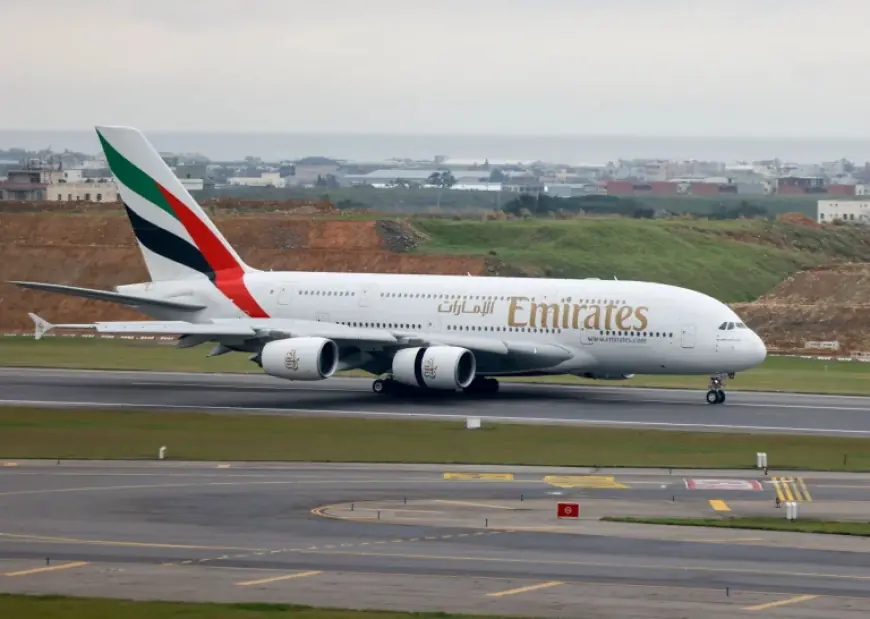
One Gulf carrier has begun a phased return to service, planning to restore daily links to several British airports and to operate roughly 60% of its full network, touching scores of destinations including multiple US and Indian airports. Even so, longer routings are increasing flight times and fuel burn, and consultants expect congestion at peak west‑to‑east and east‑to‑west windows that will complicate crew and aircraft scheduling.
Repatriations Surge as Governments and Charter Services Respond
Tens of thousands of people are scrambling to leave the Middle East, with wealthy travellers in some cases chartering private flights for sums up to $200, 000. Dozens of countries, including the United States, the United Kingdom, France and Germany, have organised government‑chartered flights to repatriate citizens, while commercial capacity across the region remains limited to a few gateways such as Dubai, Riyadh and Muscat.
Nearly 20, 000 US citizens have returned since the conflict began, and more than 138, 000 British nationals have contacted their authorities for assistance. French authorities assisting about 5, 000 citizens have had at least one charter forced to turn back because of nearby missile activity. Canadian officials expect government‑chartered flights for roughly 2, 000 stranded citizens to depart from the UAE within the next 72 hours. Operators and governments say logistical hurdles — tight corridors, limited airport slots and heightened security risks — are hampering faster repatriation.
For now, airlines and governments are prioritising repatriation and key long‑haul connections, but passengers can expect extended journey times and reduced onward connections while the northern corridor remains congested and southern detours stay longer than normal.
Canadian officials expect chartered departures within the next 72 hours; more details are expected by 11: 59 p. m. ET.