Panic Buying Amid War Forces Fuel Rationing by Wholesalers

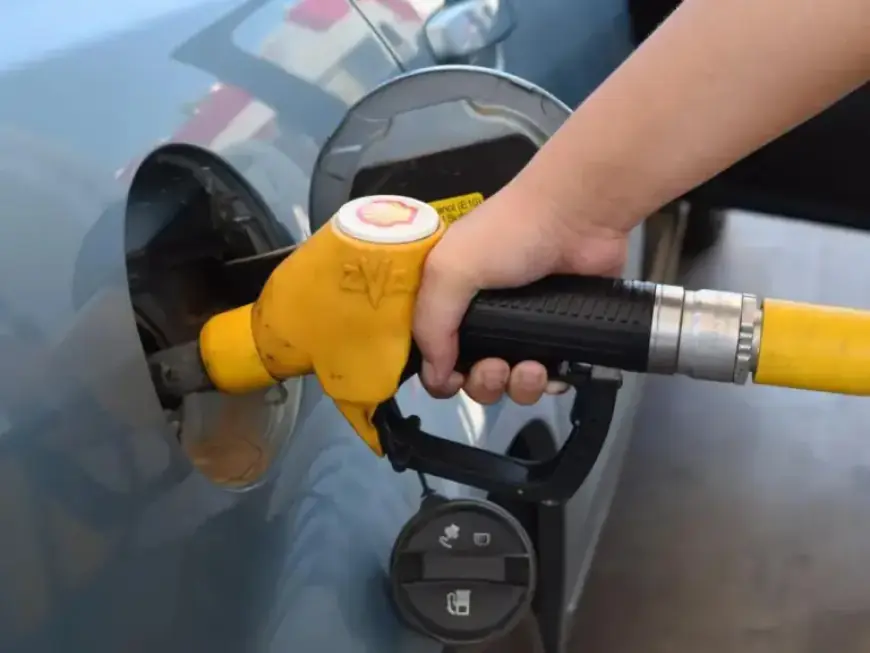
Recent global conflicts have triggered panic buying among consumers, leading to significant fuel rationing by wholesalers. This response mirrors previous crises and sparks concerns over fuel availability and pricing.
Panic Buying Amid War: The Impact on Fuel Supplies
The onset of war has a profound effect on supply chains, particularly in the fuel sector. Wholesalers are now facing unprecedented demand as consumers rush to stock up on fuel. This spike in purchasing is resulting in urgent measures to manage the limited supplies.
The Rise in Fuel Rationing
Fuel rationing is becoming common in areas most affected by conflict. Wholesalers are struggling to balance supply with overwhelming consumer demand. The scarcity of fuel not only affects transportation but also impacts other important sectors.
- Consumer behavior: Panic buying leads to increased fuel consumption.
- Wholesale adjustments: Rationing is instituted to ensure fair distribution.
- Price volatility: Fuel prices are likely to rise due to heightened demand and limited supply.
Historical Context
This situation is reminiscent of past crises, where conflicts have led to similar panic buying behaviors among consumers. The results have consistently included fuel shortages and increased prices, prompting national discussions about energy security.
Conclusion
The current war-induced panic buying and subsequent fuel rationing by wholesalers highlight the vulnerabilities in fuel supply systems. As consumers continue to react to these crises, the implications for pricing and availability are likely to be felt for some time.