Doral Florida summit draws Trump’s pick of rightwing leaders to Miami golf resort
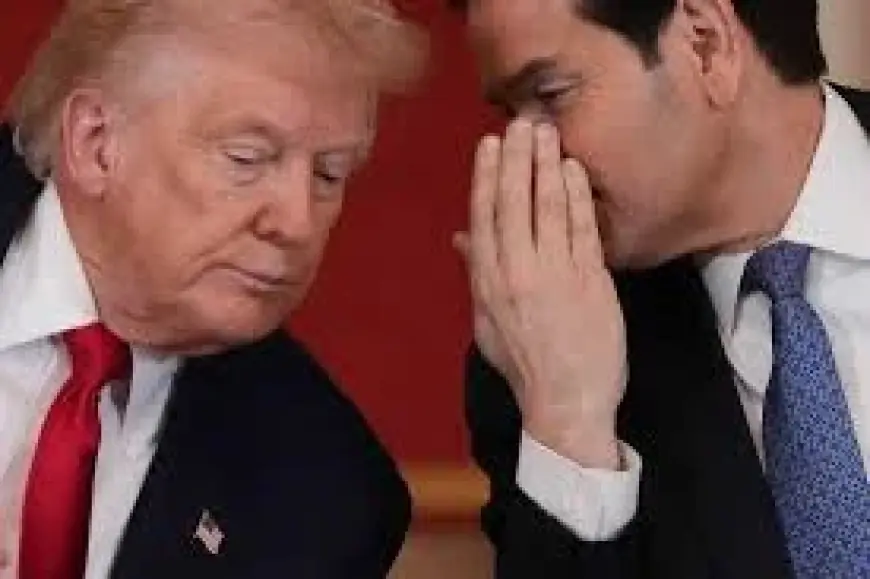
Donald Trump will welcome leaders of at least 10 Latin American countries to a palm-dotted golf resort in Miami on Saturday, an invitation-only Shield of the Americas summit that has been framed as part of a campaign to reshape U. S. influence in the hemisphere and has been linked in some references to doral florida. The guest list and recent U. S. actions in the region have sharpened attention on which governments the White House is courting.
Who’s coming and who is not
The White House says the Shield of the Americas summit was designed “to promote freedom, security and prosperity in our region, ” and the guest list includes the rightwing presidents of Argentina, Bolivia, El Salvador and Paraguay. The invitations exclude the leaders of Brazil, Mexico and Colombia, three of Latin America’s largest economies. Chile’s president-elect, José Antonio Kast, will attend, and Paraguay’s president, Santiago Peña, posted on Instagram that “Paraguay will be present at this important meeting. ”
Doral Florida and the politics of the guest list
Observers describe the meeting as a gathering of “ideological fellow travellers Trump likes to take photos with. ” Brian Winter, editor-in-chief of Americas Quarterly, called it “the VIP level of the Latin America Trump Club” and said it will likely focus on security, migration and the questions of Venezuela and Cuba. The result: an event that underscores the administration’s tilt toward rightwing leaders and what one former ambassador called a presidency that has had “a profound effect on Latin America, in so many spheres of activity. ” John Feeley compared the impact to the actions of a ruthless fictional mob boss.
Recent U. S. moves in the region and why they matter
Since returning to power, Trump has pursued a string of high-profile actions in the region that attendees and critics say contextualize the summit. Officials have vowed to “take back” the Panama canal, ordered airstrikes on alleged narco boats in the Caribbean and Pacific, and carried out what the context calls overt meddling in Brazil’s judicial system. The administration has also floated threats of military intervention in Mexico and Colombia, and has been tied to the abduction of Venezuela’s president, Nicolás Maduro. U. S. forces used Predator drones in an operation that helped kill a major drug boss, El Mencho, in Mexico, the material provided.
The White House’s effort to reassert influence has included economic and political maneuvers: the context notes a multibillion-dollar bailout for Argentina’s president, Javier Milei, and interference in Honduras’s recent election in support of a rightwing winner. Trump has even suggested a “friendly takeover” of Cuba and sought to strangle the Cuban government by cutting off oil supplies, a move the United Nations warned could prompt a humanitarian “collapse. “
Pentagon chief Pete Hegseth framed the approach as an effort to “reclaim our back yard, ” and the administration has promoted what it calls the “Don-roe Doctrine, ” a reworking of a 19th-century policy intended to push back on China’s footprint in the region by using economic and military pressure.
The Florida summit’s composition—who sits at the table and who does not—turns those broad policies into a visible political signal. Attendees have celebrated the invitation: Paraguay’s president described the meeting as strengthening cooperation “in favour of the security and stability of our nations. ” For several rightwing leaders, the trip to Miami is being treated as a diplomatic win.
The next confirmed milestone is the invitation-only Shield of the Americas summit on Saturday at the palm-dotted golf resort in Miami, where the president and his invited guests will meet and discuss security, migration and regional challenges the White House has emphasized.