Trump Stands Defiant Amid Week of War and Political Upheaval

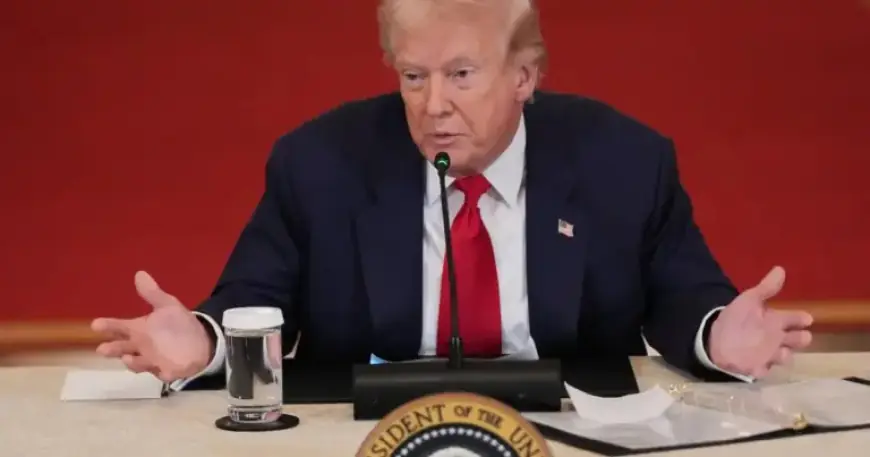
Amid a turbulent week defined by political upheaval and military conflict, President Trump displays a defiant stance regarding the ongoing war in Iran. Public sentiment surrounding the U.S. military campaign appears largely negative, with recent polls indicating widespread unpopularity. This discontent has sparked criticism from segments of Trump’s core MAGA supporters, who believe the war deviates from his “America First” doctrine.
Key Events and Responses
As the situation escalates, leaders within the Trump administration have attempted to reframe the narrative. They assert that the military actions are not aimed at regime change but are vital responses to perceived threats. Trump himself has not provided the customary rationalizations typically expected during wartime, instead projecting an air of indifference toward the human cost of conflict.
Despite acknowledging American casualties, Trump remarked, “Some people will die,” indicating a stark acceptance of war’s brutal reality. His administration remains vigilant against concerns that the conflict may evolve into another long-standing Middle Eastern quagmire. Notably, Trump also expressed intentions that hint at expansive military ambitions, suggesting even potential moves regarding Cuba.
- Trump’s social media posts included a statement that without “UNCONDITIONAL SURRENDER” from Iran, there could be “no deal.”
- He provocatively claimed the U.S. and allies will work to make Iran “economically bigger, better, and stronger than ever before,” coining the phrase, “MAKE IRAN GREAT AGAIN (MIGA!).”
Political Challenges and Controversies
In addition to the war, Trump navigated a series of political challenges within a single week. He fired his Homeland Security secretary, faced new allegations about his past conduct, and saw drops in American job numbers coinciding with rising gas prices. This cascade of events has caused tension within both Democratic ranks and his own party.
Criticism has also emerged from allies. For instance, Tucker Carlson expressed that the war in Iran serves Israeli interests rather than American national security. He argued that the Trump administration had no cohesive plan for Iran following regime changes, questioning the underlying motivations for the military action.
Administration’s Defense
The Trump White House has stood firmly behind the president’s decisions. Officials claim that Trump’s military strategy reflects a commitment to safeguarding America against threats posed by Iran. They also assert that the administration continues to foster a favorable economic environment through tax cuts and deregulation.
- On Iran: Trump is “courageously protecting the United States.”
- Regarding economic issues: The administration emphasizes its efforts to manage oil prices effectively during the conflict.
- On personal allegations: They dismissed the claims against Trump as “completely baseless.”
Public Sentiment and Historical Context
Experts are surprised by the low public support for the Iran war, noting a historical trend of high approval at the inception of conflicts since World War II. Political historian Jennifer Mercieca remarked on the incongruity of Trump’s muted appeal for war, suggesting it correlates with the hesitance of the public to rally behind military action.
Analysts also ponder whether Trump’s current aggressive stance is a conscious strategy to shift attention from personal scandals, including accusations related to Jeffrey Epstein. Critics argue merely projecting strength is insufficient for garnering public support in times of conflict.
As tensions mount and political realities shift, Trump’s administration appears resolute in defining its legacy through bold actions, even as public sentiment wanes. The coming days will reveal how these dynamics evolve and whether the defiance can withstand further scrutiny both at home and abroad.