Iran War Escalates, Halts Iraq and Kuwait Oil Production, Spiking Energy Prices

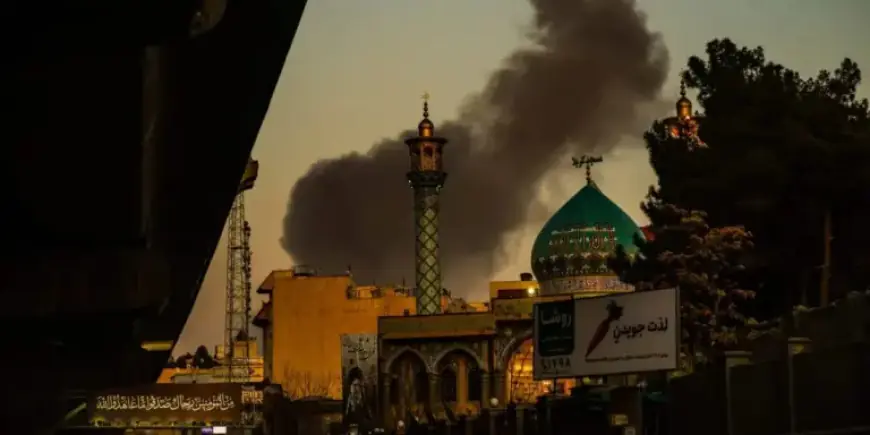
The ongoing conflict in Iran has triggered significant disruptions in oil production across the Middle East, notably affecting Iraq and Kuwait. These nations have begun to shut down their oil fields, while Qatar has halted most of its liquefied natural gas output. The regional situation could worsen as the United Arab Emirates and Saudi Arabia may follow suit.
Impact of the Strait of Hormuz Closure
The primary catalyst for these production halts is the potential closure of the Strait of Hormuz due to the escalating war in Iran. This vital chokepoint is crucial for energy exports, with the majority of Gulf nations relying on it for their oil shipments.
Effects on Oil Production
- Iraq and Kuwait have started shutting down production, severely impacting the energy supply.
- Iran, Kuwait, and Qatar send 100% of their oil exports through the strait.
- 97% of Iraq’s exports depend on this route, highlighting its strategic importance.
- Saudi Arabia, the world’s top oil exporter, also faces challenges, sending 89% of its energy exports through the strait.
- The UAE has slightly more flexibility, with only 66% of its exports routed through this channel.
This shut down process may lead to long-lasting consequences. According to Sid Misra, a petroleum engineering professor at Texas A&M University, oil wells that halt production may suffer irreversible damage. Misra explains that once oil production ceases, the remaining oil can become trapped, making it impossible to resume full production even when conflict ends.
Global Energy Prices Surge
Amid these disruptions, energy prices have surged dramatically. As of March 6, the U.S. oil benchmark climbed to over $90 per barrel, marking a nearly 60% increase since the start of the year. Global fuel prices, including gas, diesel, and jet fuel, continue to rise.
Asian and European economies, heavily reliant on OPEC oil and Qatari natural gas, feel the effects most acutely. The U.S. government is working to alleviate these pressures by offering subsidized insurance for oil shipments in the region. The U.S. International Development Finance Corporation (DFC) aims to provide specific maritime insurance, along with naval escorts if necessary, to ensure safe transit through the Strait of Hormuz.
Potential Future Developments
While the U.S. has announced support measures, concerns linger over Iran’s military capabilities and intentions regarding regional energy infrastructure. Recent incidents, including the targeting of oil tankers and missile attacks on refineries, underscore the volatility of the situation.
If hostilities continue, experts predict a prolonged period of elevated energy prices. According to Kathleen Brooks from XTB brokerage, even if military operations de-escalate, energy markets will likely retain a risk premium due to the ongoing impact on Gulf infrastructure.
The consequences of the war on energy production could reshape global energy dynamics. The essential nature of the Strait of Hormuz for oil transport makes further fluctuations in production and pricing inevitable. Stakeholders and consumers alike are urged to keep a close eye on developments in the region, as the situation continues to evolve.