























Leaked 2023 Bohemian Club roster names A‑list celebrities and local wine, banking figures

An allegedly leaked 2023 membership list for the bohemian club was published in late February and contains roughly 2, 200 names, drawing immediate attention for its mix of celebrities, billionaire financiers and local industry figures. The disclosure matters now because it prompted local newspapers to cross‑check the roster and a club spokesman to reiterate the organization’s longstanding privacy stance.
Bohemian Club roster lists roughly 2, 200 names and prominent figures
The document published by independent journalist Daniel Boguslaw lists about 2, 200 people identified as camp members for 2023. High‑profile names that appear on the roster include entertainers and cultural figures such as Jimmy Buffett and Paul Newman, the latter of whom died in September 2008 and whose presence on the list suggests the roster may include former or historical members as well as current attendees. Other widely recognized names on the list include documentary filmmaker Ken Burns, comedian Conan O’Brien, actor Jim Belushi, and senior statesman Henry Kissinger. Billionaires and business leaders named include Michael and Charles Koch, and executives such as former Google CEO Eric Schmidt and Oakland A’s owner John Fisher are also listed.
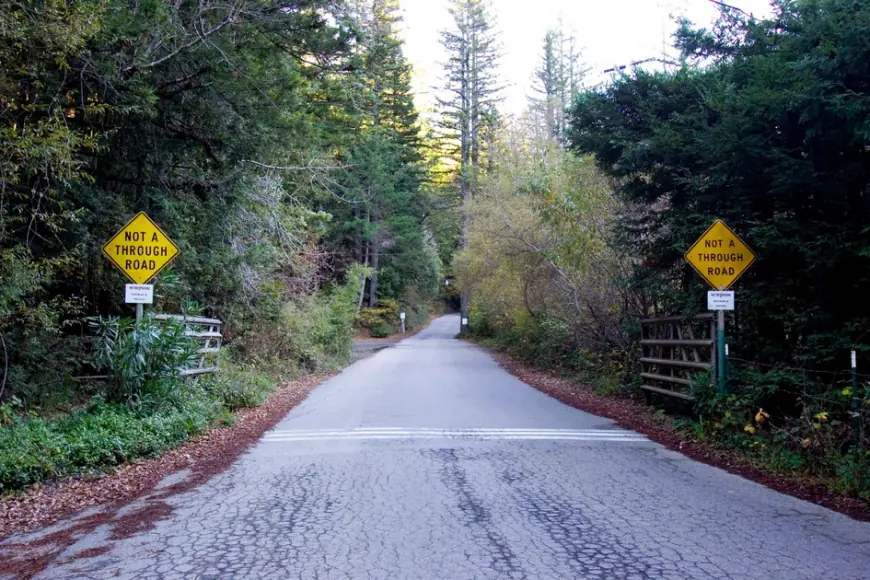
Boguslaw has described how he obtained the camp roster, saying he pressed a San Francisco member for days, spent time in the member’s office and ultimately received manila envelopes that contained the 2023 camp list. The itemized roster is tied specifically to the Bohemian Grove encampment, which occupies a roughly 2, 700‑acre redwood property in Sonoma County and hosts an annual two‑week retreat.
Local ties, secrecy and official responses in Sonoma County
The leak produced a swift local reaction. A regional paper confirmed the list’s authenticity and combed the roster to identify dozens of men with strong ties to Sonoma and Napa counties, cross‑referencing names with known addresses and public records. That effort highlighted a concentration of wine‑industry scions as well as figures from banking, the arts and local civic life.
Sam Singer, a spokesman for the Bohemian Club, reiterated that the organization is private and does not disclose member lists. The club’s longstanding rules and rituals — including a men‑only encampment that continues to bar women from membership and the grove itself, except as employees — remain a central element of public interest. The camp’s July encampment has roots reaching back to the 1870s and is framed by members as a retreat devoted to food, the arts and fellowship under a motto that discourages outside business dealings.
Publication of the roster triggered broader scrutiny: the list was widely reprinted and analyzed, prompting commentary about what the membership reveals about networks of influence. Protesters and critics have long congregated at the grove’s gates and drawn connections between private gatherings and potential backroom bargaining; meanwhile, defenders of the event describe it as a private social and cultural retreat.
What makes this notable is the combination of scale and specificity — a single document listing roughly 2, 200 names that mixes household names with lesser‑known local elites, creating a more concrete picture of who attends the two‑week camp and why that raises questions about privacy and public influence.
The leak also revived discussion of past attempts to penetrate the grove’s secrecy: journalists have long tried to report from inside the compound, and public attention to the group’s practices has periodically flared into controversy. The publication of the 2023 roster has already had measurable effects: it produced an immediate sensation in late February, prompted multiple outlets to reprint and analyze entries, and led at least one regional newspaper to undertake a systematic local cross‑check of names.
As the story unfolds, the club’s position of non‑disclosure stands in tension with renewed press scrutiny and public curiosity over who attends the secluded encampment on the 2, 700‑acre property. The disclosure leaves unanswered questions about how the roster was kept and why some historical names appear alongside living members, but it has unmistakably altered the public record about a private, men‑only institution that has long operated under strict secrecy.