
























Maggie Gyllenhaal Explores ‘The Bride!’ and ‘Frankenstein’ History

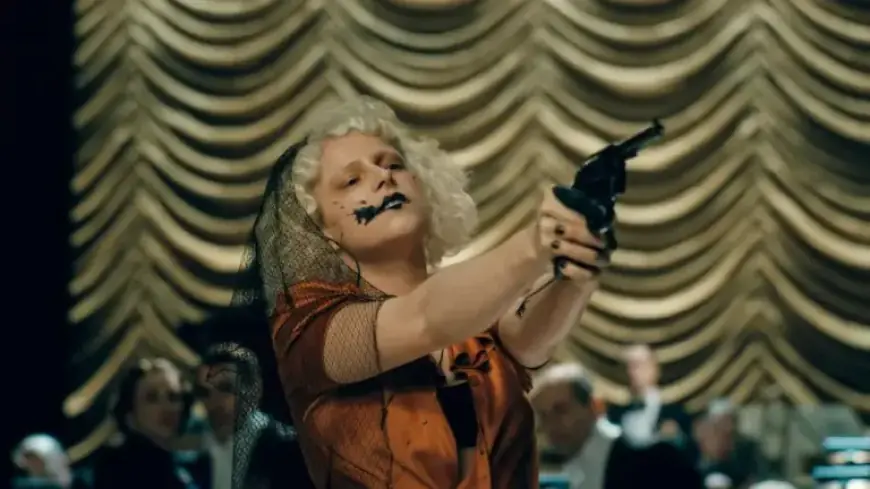
Maggie Gyllenhaal’s new film, The Bride!, delves into the complex history of its iconic character from James Whale’s classic, The Bride of Frankenstein. This 1935 film is notable for its portrayal of the Bride, who appears briefly but leaves a lasting impact. Gyllenhaal reexamines this character, who expresses no words, yet embodies a powerful commentary on women’s agency.
The Significance of the Bride in Horror
Gyllenhaal describes the Bride’s situation as “insane.” She is resurrected against her will to be the companion of a man she does not know. This prompt for subversion serves as the foundation for The Bride!, which explores how women can reclaim their narratives.
Cultural Context and Resurgence
The contemporary demand for narratives that prioritize female perspectives aligns with Gyllenhaal’s film. Other recent works, including Guillermo del Toro’s Frankenstein adaptation and Yorgos Lanthimos’s Poor Things, challenge traditional horror conventions. These movies focus on the inner desires of female created beings.
- Del Toro’s Frankenstein: Highlights the creature’s moral complexity.
- Poor Things: Showcases autonomy and female empowerment.
- The Substance: Examines female rage as a form of empowerment.
The Historical Lens of Creation
Scholarship surrounding horror and feminist theory highlights a persistent theme: constructed women are often relegated to the roles defined by male desires. Barbara Creed, a prominent figure in feminist horror analysis, notes the significance of the Bride’s silence in The Bride of Frankenstein. This silence symbolizes rejection of patriarchal narratives.
Mary Shelley’s Enduring Legacy
Mary Shelley, who penned the original Frankenstein in 1818, encapsulated the terror of creation and the female experience. Despite the monstrosity depicted in her works, she imbued her characters with profound agency. Creed asserts that monstrous heroines now claim their narrative space, transforming the story instead of succumbing to destruction.
Modern Interpretations of Female Agency
The emergence of feminist horror films marks a notable shift in storytelling. Characters are increasingly depicted as embracing their identities rather than being punished for exceeding societal limits. As Catherine Spooner notes, this evolution provides a space for women to express themselves outside polite society’s confines.
The Journey of Self-Acceptance
Gyllenhaal encourages audiences to confront their inner “monsters.” The film’s exploration of self-acceptance and reclamation of identity reflects changes in contemporary narratives. Buckley, who plays the Bride, describes her character’s reanimation as electrifying and filled with newfound vitality.
Conclusion: Asking the Right Questions
The Bride! poses essential questions about the nature of creation and autonomy. As audiences engage with the film, they are prompted to consider whether the Bride realizes true freedom or remains under someone else’s control. This film boldly places the narrative focus on a character historically reduced to a mere plot device, allowing her to finally claim her story.