























Trump Warns of Collapse in Education Without College Sports Reform

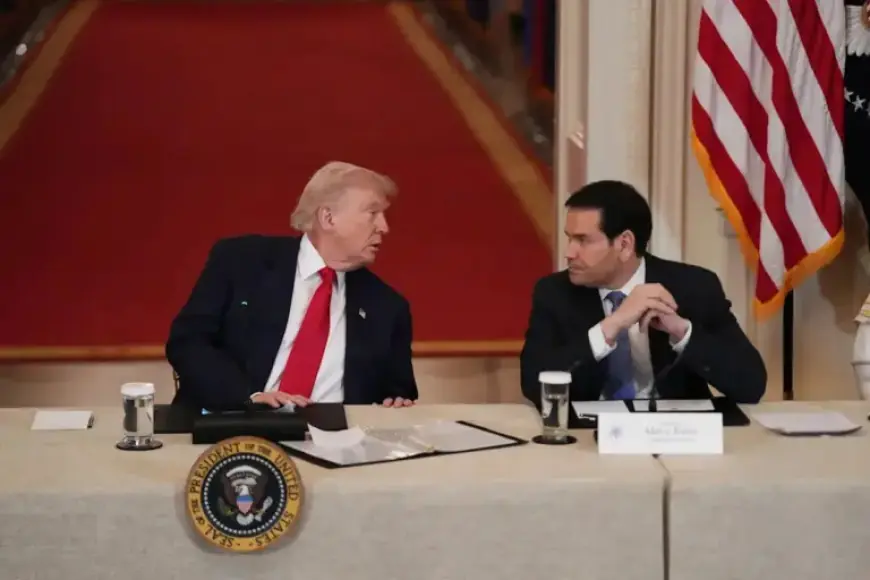
President Donald Trump has expressed grave concerns over the state of college sports and the American collegiate system. He warned of a potential collapse if urgent reforms are not enacted. Trump’s remarks came during a summit at the White House, attended by various leaders from the sports industry and government.
Urgent Need for College Sports Reform
During the meeting, Trump highlighted that the current system, particularly the introduction of Name, Image, and Likeness (NIL) payments, is causing financial strain on many schools. The president indicated that he would draft an executive order aimed at fundamentally reforming the collegiate sports landscape within a week.
Financial Challenges Faced by Colleges
Many athletic departments, including the University of Louisville, are reportedly facing severe financial deficits. The Louisville athletic department, for example, is operating with a $12.5 million deficit. This financial instability raises concerns about the sustainability of college sports.
- Trump suggested the need for a substantial influx of funding to support player salaries.
- Lawmakers discussed the SCORE Act, which seeks to provide a limited antitrust exemption for the NCAA.
- The legislation could also preempt state laws regarding NIL payments.
Bipartisan Efforts and Legislative Proposals
Senators Eric Schmitt and Maria Cantwell announced plans to introduce a new bill allowing college conferences to pool media rights, a strategy currently prohibited by the 1961 Sports Broadcasting Act. This initiative has the potential to generate significant revenue—estimated at an additional $6 billion—necessary to keep many college sports programs afloat.
SEC Commissioner Greg Sankey stressed that the reforms should focus on establishing national standards rather than solely on revenue generation. He emphasized the urgency of addressing the issues affecting college sports.
Potential Impact on Olympic and Women’s Sports
Trump identified that Olympic sports and women’s athletics could face the most significant cuts if financial pressures are not alleviated. Sarah Hirshland, CEO of the U.S. Olympic and Paralympic Committee, echoed these concerns, stating that essential funding for Olympic sports comes from revenue produced by college football and basketball.
Hirshland pointed out that the economic challenges are unsustainable and warned that certain programs could be entirely eliminated without reform.
As discussions continue, it remains clear that the future of college sports hinges on timely and effective legislative action to address financial imbalances and ensure the viability of various athletic programs across the nation.