

























China’s Strategy: Risk of Overplaying Its Hand?

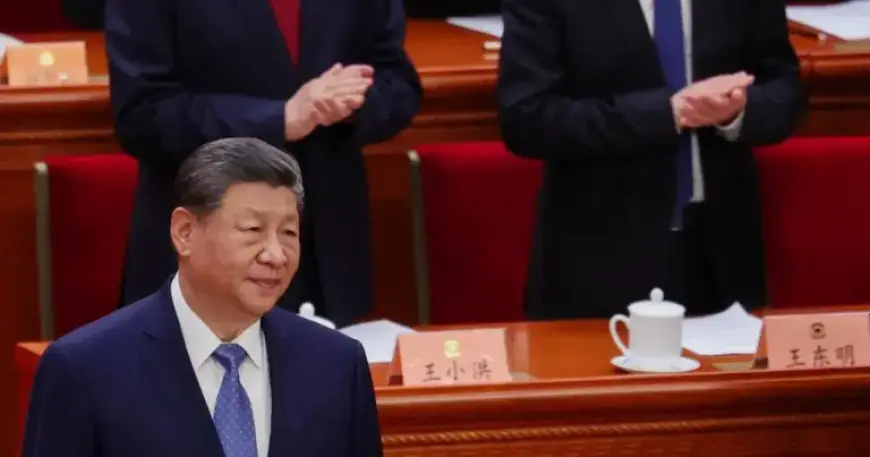
As the geopolitical landscape shifts, the dynamics of U.S.-China relations hang in the balance. With U.S. President Donald Trump’s anticipated summit with Chinese President Xi Jinping at the end of this month, analysts are examining China’s strategy and the potential risks of overplaying its hand.
Upcoming Summit: A Crucial Meeting
The upcoming summit marks the first of what could be four meetings between Trump and Xi in 2026. This three-day event follows their October 2025 discussions during the Asia-Pacific Economic Cooperation forum in Busan, South Korea. During these conversations, both leaders reached a tentative agreement aimed at calming economic tensions.
Fragile Truce Established
In this truce, the U.S. suspended the implementation of threatened high tariffs on Chinese goods. In return, China agreed to lift its ban on purchasing U.S. agricultural products and eased restrictions on key exports to the U.S. This agreement brought both nations back to a more stable economic position, but left several critical issues unresolved.
Unaddressed Economic Issues Continue to Loom
- Transshipment tariffs targeting countries importing Chinese goods remain a concern.
- No long-term solutions were established for restrictions on rare-earth element exports.
- High-end semiconductor trade between the two countries is still fraught with disagreements.
The fragility of this truce raises questions about its sustainability amidst ongoing competition and economic sanctions. Both nations are still using sanctions as a tool in non-economic disputes, which could rekindle tensions.
China’s Growing Confidence
A critical factor in shaping the upcoming summit will be China’s perception of its success in managing U.S. threats. Chinese analysts believe that their response during the 2025 escalation indicated a shift in power dynamics. Chinese scholar Jin Canrong remarked that the outcome in Busan demonstrated the equal standing of both nations.
President Trump’s comments labeling the summit as a “G-2” meeting further fueled this perception of parity between the U.S. and China. Analysts from both sides have noted that this language implicitly acknowledges China’s significant global status.
Evaluating Power Dynamics
Though China has made considerable strides in military and economic capabilities, it is essential to assess whether it can truly stand as a peer to the U.S. China’s regional strength does not translate to global power projection, which remains a crucial advantage for the United States.
U.S. Advantages Over China
- Washington’s vast network of over 60 allies enhances its global influence.
- China’s economic leverage, while significant, is dependent on global supply chains and demand.
- The U.S. dollar remains the world’s dominant reserve currency, limiting China’s financial autonomy.
China’s reliance on external markets for growth, alongside its vulnerabilities in potential global conflicts, underscores the intricate balance of power in international relations.
Risks of Overconfidence
Beijing’s perception of triumph may lead to assertive foreign policies similar to those observed following the 2008 financial crisis. Recent Chinese actions in the South China Sea, including heightened military presence, reflect this trend. Additionally, tensions with Japan and Taiwan have escalated following increased military exercises and targeted sanctions.
The geopolitical climate is fraught with challenges including U.S. arms sales to Taiwan and economic sanctions in response to actions taken in regions such as Venezuela and Iran.
Looking Forward
The summit’s outcomes could reshape U.S.-China relations further. However, existing tensions remain unaddressed, particularly regarding Taiwan and export restrictions. Should China adopt more aggressive policies, the risks associated with their strategy could become more pronounced.
As 2026 unfolds, the potential for increased frictions will require careful navigation by both nations to avoid escalating conflicts and undermining economic stability.