

























Australian Grand Prix Set for Potentially Chaotic F1 Start

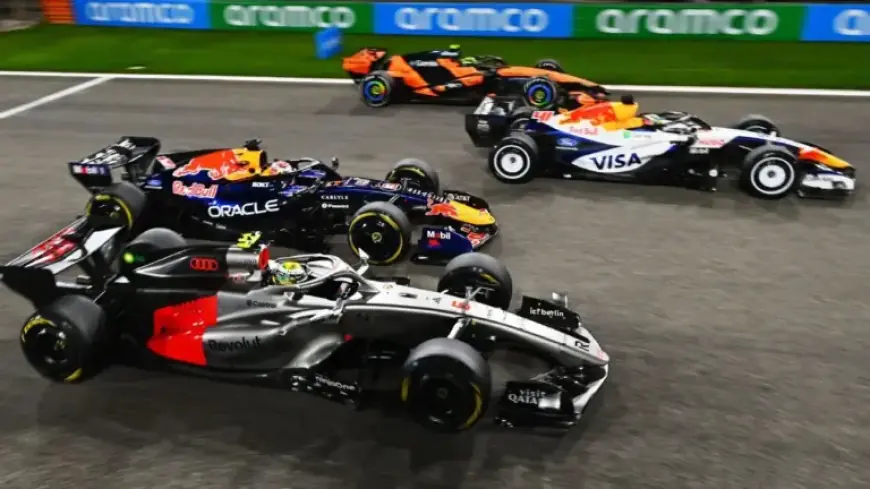
The upcoming Australian Grand Prix promises to be a thrilling spectacle, especially at the start. The changes to Formula 1’s power unit regulations have introduced complexities that might lead to chaotic race beginnings. This year’s event on March 8, 2026, will kick off with a unique setup aimed at addressing new challenges.
Understanding the Chaos at the Start
The recent modifications to F1 regulations have created issues that could disrupt smooth starts. Notably, the removal of the Motor Generator Unit-Heat (MGU-H) has increased the impact of turbo-lag during race starts. This phenomenon can result in delayed acceleration, complicating grid positions as cars struggle to launch effectively.
The Role of Turbo-Lag
- Turbo-Lag Explained: Turbo-lag occurs when a turbocharged engine fails to deliver power quickly due to a lack of sufficient exhaust gas pressure.
- New Power Unit Challenges: The current 1.6-litre engines now depend entirely on exhaust gas for optimal turbo performance without the aid of the MGU-H.
- Boost Pressure Build-Up: Drivers have to rev their engines for over ten seconds before the start to create boost pressure, adding complexity to the start procedure.
Changes to the Start Procedure
In response to potential chaos, F1 introduced a revised start procedure. An extra five seconds has been added to provide drivers ample time to prepare for the lights to go out. This adjustment ensures that all cars, including those at the back of the grid, can build necessary boost pressure effectively.
Revised Start Technique
- The last car returns to the grid post formation lap.
- A green flag signals the start of the procedure, followed by a five-second delay.
- The first red light activates after this interval, succeeded by four additional lights at one-second gaps.
- The race starts when all lights are illuminated and then extinguished by the official starter.
Team Performance and Predictions
Testing has revealed varying start performances among teams. Ferrari showed promise with their launches, while Lewis Hamilton’s impressive move from 11th to first place during a practice start showcased the new start challenges. Meanwhile, George Russell of Mercedes expressed frustration about start consistency, emphasizing the unpredictable nature of the new procedure.
Key Insights from Testing
- Ferrari demonstrates consistent starts compared to competitors.
- Smaller turbo sizes may be aiding Ferrari’s performance.
- Teams are still learning the best techniques to optimize their race starts.
The chaotic essence of the Australian Grand Prix is bound to captivate fans as drivers navigate the complexities of the new regulations. The start on March 8 will be a moment to watch closely, with the possibility of unanticipated shuffling and significant on-track drama.