
























GOP War Powers Advocate Opposes Limiting Trump’s Actions on Iran

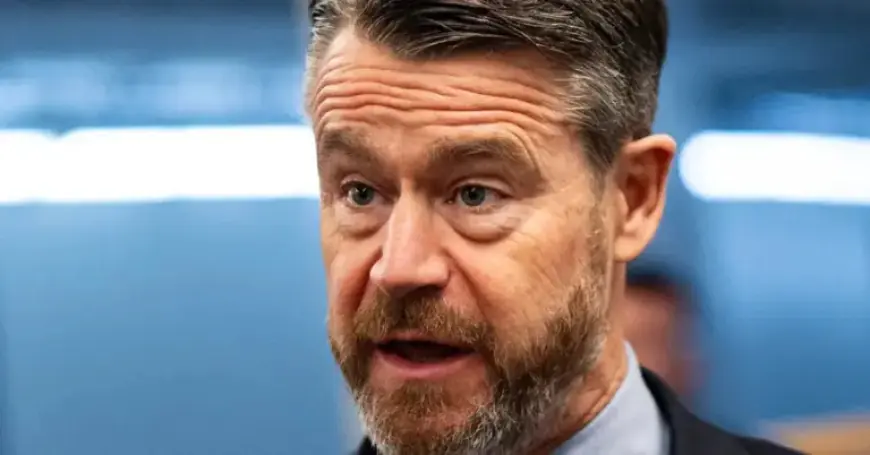
In a recent interview, a prominent Republican expressed concerns about Congress’s approach to military engagement under President Trump. Indiana Senator Todd Young highlighted a significant issue: the legislative branch’s lack of action regarding Trump’s potential strike on Iran amidst ongoing nuclear negotiations. He criticized Congress for failing to establish clear political objectives prior to the escalation of military actions.
Congressional War Powers and Military Engagement
Senator Young articulated that the decision-making process surrounding military interventions should have been better addressed before the onset of conflict. He emphasized that the current state of war necessitates transparent communication and unity among the American populace regarding the nation’s objectives.
Republican Response to War Powers
Young’s experience during the first week of military engagement sheds light on a trend among Republican lawmakers. Many members of the GOP have opted to support the president’s military decisions without question. This uniformity contrasts sharply with a few dissenting voices, like Senator Rand Paul from Kentucky, who has been more critical of the current approach.
- Senator Todd Young: Emphasizes the need for clarity in political objectives.
- Senator Rand Paul: Advocates for limiting presidential war powers; voted for war powers resolution.
Young expressed that a hasty withdrawal of military support could jeopardize national security. According to him, the current focus should be on stabilizing the situation rather than creating further chaos. Despite the conflict’s unpopularity among Americans, feedback from constituents has been minimal, with notable exceptions from individuals stranded abroad seeking assistance.
Public Sentiment and Political Disconnect
Polls indicate widespread disapproval of the military actions taken. However, many senators, including those in support of the president, have reported limited direct communication with constituents on the matter. The disconnect raises questions about legislative accountability and the role of Congress in decisions of war.
The ongoing debate highlights the complexities of war powers in the current political landscape. As circumstances evolve, the need for a cohesive strategy and clear communication remains critical for the well-being of the nation and its citizens.