























Nfl Mock Draft Simulator uncertainty deepens after conflicting 40 times for Carnell Tate

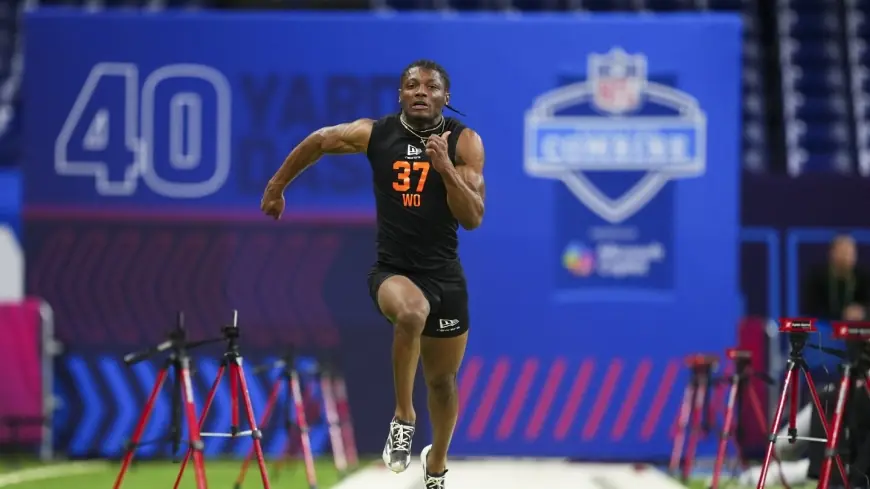
Timing discrepancies from the Combine have turned a routine measurement into a practical headache for evaluators and for anyone watching an nfl mock draft simulator. Official listings for Carnell Tate’s 40-yard dash appear in coverage as 4. 52–4. 53 seconds, while several teams logged hand-timed marks in the 4. 45–4. 47 or the broader 4. 45 range. That gap matters now because timing is a key, if imperfect, input for how prospects are slotted and discussed publicly.
Nfl Mock Draft Simulator and the practical risk: measurement noise that reshuffles perceptions
Here’s the part that matters: small timing differences—mere hundredths of a second—can change how scouts, general managers and fans interpret a receiver’s athletic ceiling. Teams sometimes rely on hand timing when they want consistency across pro days and private workouts; the Combine uses a laser-based finish with a hand-based start. The combination of methods produces a persistent uncertainty that can ripple into public simulators and internal boards alike.
What’s easy to miss is that the “official” label does not erase the practical fact that teams often treat their own stopwatch marks as the operative figure when comparing prospects across different workout settings. That dynamic helps explain why the same player can show up at very different spots in various draft models overnight.
What happened at the Combine and the immediate implications
Key, uncontested points from recent coverage:
- Official 40-yard dash listings for Carnell Tate appear as either 4. 52 seconds or 4. 53 seconds in the public record.
- Multiple teams recorded hand-timed measurements for Tate in the 4. 45–4. 47-second range, with some accounts summarized as a 4. 45-second range.
- Tate’s official 40 time was placed 27th among 34 participating prospects in one listing of Combine results.
- On-field production cited for Tate includes 51 receptions for 875 yards and nine touchdowns in his last season at Ohio State.
These facts together make for a familiar draft-era tension: optics versus internal conviction. The optics (the official listing and public rankings) are what feeds immediate shifts in public draft models and headlines. Internal conviction (team hand times and scout notes) often governs how an organization ultimately values a player.
Teams are expected to pay closer attention to pro days and repeat testing to reconcile discrepancies. That means any single printed number from the Combine may be only a starting point, not the final word.
Micro Q&A: short answers to likely questions
- Will this change Tate’s draft standing? Recent analysis suggests his draft stock is most likely unchanged; a faster hand time would mostly confirm what some scouts saw on tape rather than overhaul evaluations.
- Why are measurements different? The Combine’s timing mix—hand-based starts with laser finishes—and team hand timing can produce small, but noticeable, differences in 40-yard dash numbers.
- What happens next? Teams will watch pro days more closely and re-time prospects where they can; public draft simulations may update as new, corroborating times appear.
The real question now is how much weight analysts and simulators should give a single Combine number when teams are already using alternate measurements. Expect some statistical and narrative churn as additional times come in and are compared.
Writer’s aside: The bigger signal here is how consistently teams prioritize comparability over any single ‘‘official’’ metric—repeatable, team-controlled measures often matter more than a one-off listing.