























Major Strikes Hit Tehran Amid Middle East Conflict

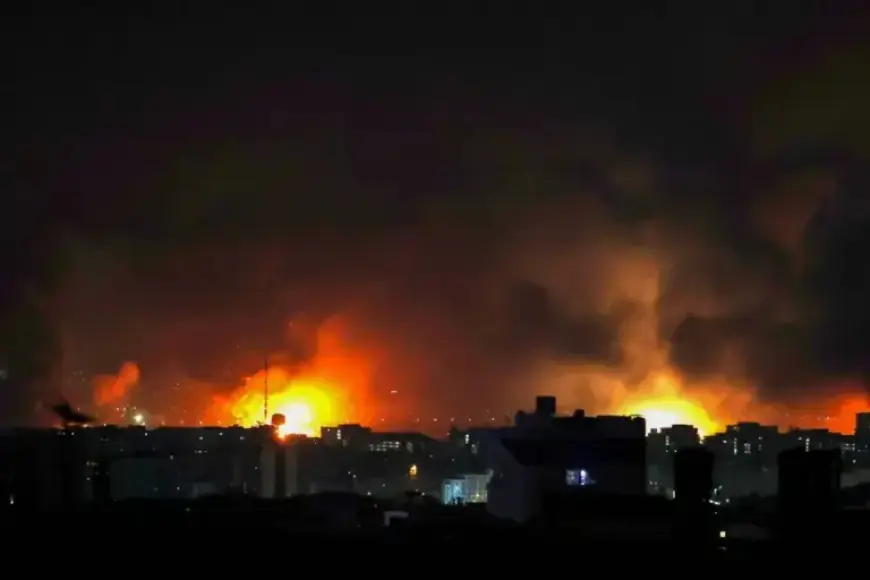
Major strikes have recently hit Tehran amid escalating conflicts in the Middle East. The Israeli military launched extensive bombings on Tehran targets early Saturday morning. This action follows President Donald Trump’s call for Iran’s “unconditional capitulation.”
Details of the Strikes
The Israeli Defense Forces, known as Tsahal, initiated a significant wave of strikes targeting government facilities in Tehran. This military action was prompted by the detection of Iranian missiles aimed at Israel. Following this, air raid sirens sounded in Tel Aviv, signaling incoming threats.
The ongoing military campaign has seen the Israeli army strike more than 400 targets on a single day, Friday. Simultaneously, the U.S. Central Command (Centcom) reported that over 3,000 targets have been hit since the launch of Operation “Epic Fury” the previous weekend.
Impacts on Tehran
The conflict has resulted in significant civilian distress in Tehran. Following the announcement of airstrikes, a prominent Tehran businessman noted a mass exodus from the city. Government reports estimate around 1,000 deaths in Iran, with a concerning 30% being children.
As Tehran faces these challenges, Iranian responses have included missile and drone strikes on Israel. Reports indicate that ten casualties have occurred in Israel due to these retaliatory actions.
Wider Regional Effects
Israel’s military actions have extended beyond Iranian borders. Drone strikes have been reported in Bahrain, resulting in the deaths of thirteen individuals, including civilians. Furthermore, missile attacks have targeted Kuwait, Saudi Arabia, and Qatar, exacerbating tensions in the region.
In Lebanon, where the Hezbollah group has been actively involved, at least 226 casualties have been documented. Approximately 300,000 people have been displaced due to ongoing Israeli airstrikes.
International Reactions
The conflict has drawn international attention and concern. Russian President Vladimir Putin has called for an immediate ceasefire during a conversation with Iranian officials. Meanwhile, U.N. Secretary-General Antonio Guterres warned that unchecked violence in the region could spiral out of control.
Defense Secretary Pete Hegseth of the United States minimized concerns regarding Russian intelligence support to Iran regarding potential U.S. targets, reaffirming American resolve to respond to any threats.
Conclusion
The current situation in Tehran reflects a broader conflict in the Middle East. The major strikes and their ramifications underscore the need for diplomatic efforts to restore peace in the region. As tensions escalate, the world watches closely, hoping for a resolution to the violence.