

























Kurdistan in the Crossfire: Trump and Netanyahu Encouraging Kurdish Militias Against Tehran

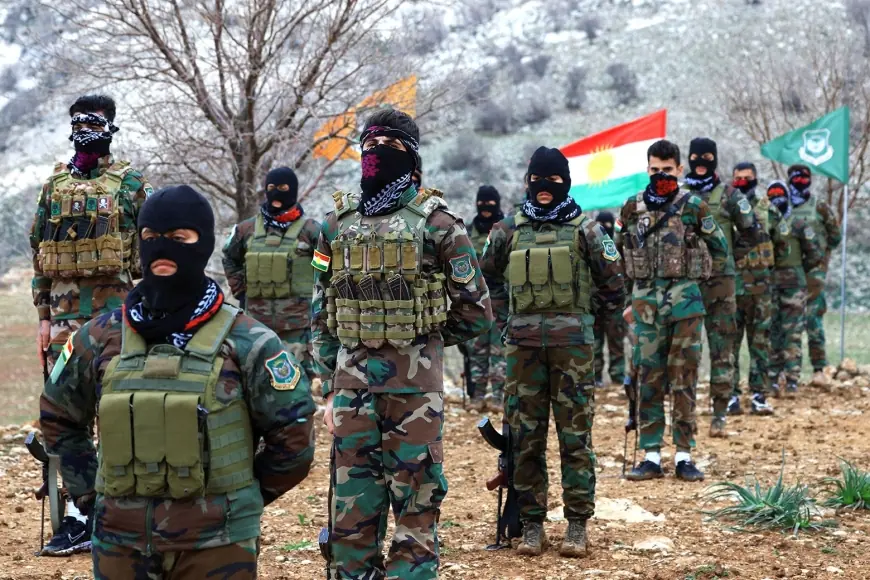
President Donald Trump and Israeli Prime Minister Benjamin Netanyahu have been encouraging Kurdish militias to join the fight against Tehran’s regime, a shift that reaches across the region informally known as kurdistan and could reshape conflict on Iran’s northwestern borders.
Kurdistan forces, arms and strikes on Iran's northwest
Multiple news accounts have described U. S. and Israeli actions intended to open the way for Kurdish fighters. The CIA has been supplying some Kurdish militias with small arms, and American or Israeli bombs have been dropped on Revolutionary Guard outposts on Iran’s northwestern borders, a move said to reduce resistance for Kurdish movement across those border areas.
Plan B: breaking Iran or sparking internal strife
Commentators frame the strategy as a possible Plan B if efforts to force regime change or control the aftermath fail. That argument says President Trump and Prime Minister Benjamin Netanyahu are encouraging and actively opening the way for Kurdish militias to foment an uprising against the Tehran regime, with the broader aim of breaking the country into pieces or fomenting enough internal strife that Iran could not project the same threat to its neighbors.
History, population and why Kurds may hesitate
The Kurdish situation has deep historical roots. The Sykes-Picot Agreement after World War I left the Kurds without a state, scattering an estimated between 25 and 40 million people across an area informally called Kurdistan, encompassing patches of land in Turkey, Syria, Iraq, Armenia, and Iran. Many Kurds have been roused to action and then abandoned before; George H. W. Bush once rallied them to join a fight, and some Western supporters, including the late Christopher Hitchens, had seen Kurdish aspirations as a cause for independence. That history underpins the open question over whether many Kurds will answer the current call to rise against Tehran.
The immediate consequence of the current approach is concrete: increased arms flows to militias from the CIA and targeted strikes on Revolutionary Guard positions along Iran’s northwest. Whether those steps will translate into a sustained Kurdish campaign or a lasting rearrangement of territory remains an open question. It is an open question whether many Kurds will answer the call.