

























U.S. Gas Prices Surge as Oil Exceeds $90 for First Time in Years

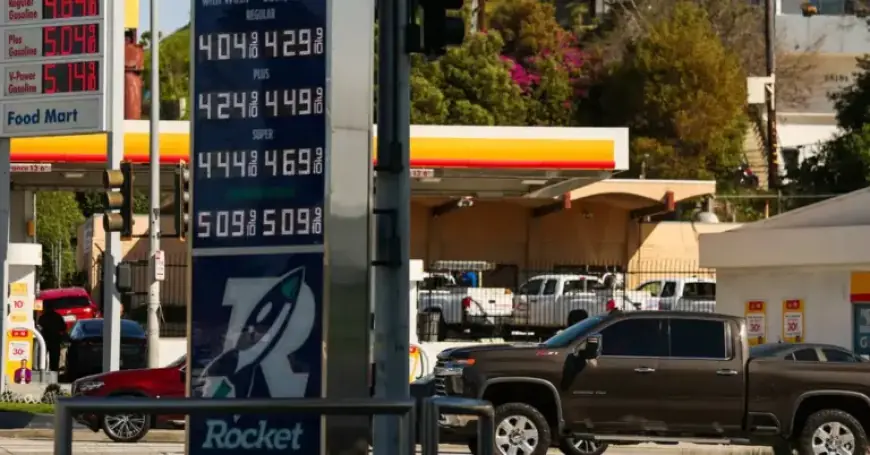
Gas prices in the United States have recently surged, marking a significant uptrend. As of Friday, the average price of unleaded gasoline reached $3.32 per gallon. This increase reflects a rise of 34 cents, or approximately 11 percent, since the beginning of a conflict involving the U.S. and Israel against Iran.
Oil Prices Reach $90 Mark
The spike in gasoline prices coincides with oil prices surging above $90 for the first time in years. The U.S. crude benchmark closed at $90.90 per barrel on Friday. This represents a climb of 12.2 percent for the day and 35.6 percent for the week.
Context and Implications
This recent price increase could pose a political challenge for President Trump. He has previously emphasized the decline in gas prices during his administration, claiming significant reductions. However, current prices are now above those recorded at the start of his term.
- The oil price surge stems from disruptions in oil and gas shipments from the Persian Gulf.
- There are rising tensions due to Iranian threats to oil tankers navigating the region.
Market Reactions
Domestic crude oil futures have increased by more than 30 percent since the conflict began last Saturday. This surge in costs has directly impacted gasoline prices at the pump. Additionally, diesel prices have experienced an even sharper increase, averaging $4.33 per gallon—its highest since November 2023.
Broader Economic Effects
The rising energy costs could extend beyond fuel prices, potentially affecting various sectors. For instance, shipping costs may increase, prompting businesses to either raise prices or absorb the added expenses.
- Industries such as food, chemicals, and electronics may face higher costs.
- United Airlines has raised concerns about how these fuel price hikes could impact financial results and airfare.
Impact on the Upcoming Elections
The rising prices at gas stations come as the country approaches midterm elections. Economic concerns, particularly around inflation, are critical issues for voters. Trump has made promises to lower gas prices, previously suggesting they could drop to below $2 per gallon.
Expert Insights
Energy experts generally indicate that presidential actions have limited influence over oil prices. Market fluctuations are typically driven by global supply and demand dynamics. A lack of insurance for oil tankers in the Gulf may hinder the oil flow, significantly impacting global markets.
The current surge in U.S. gas prices reflects broader economic uncertainties. As the conflict continues, its implications on everyday costs are likely to persist, affecting consumers and businesses alike.