

























Meta Ray-Bans Dubbed “Pervert Glasses” by Critics

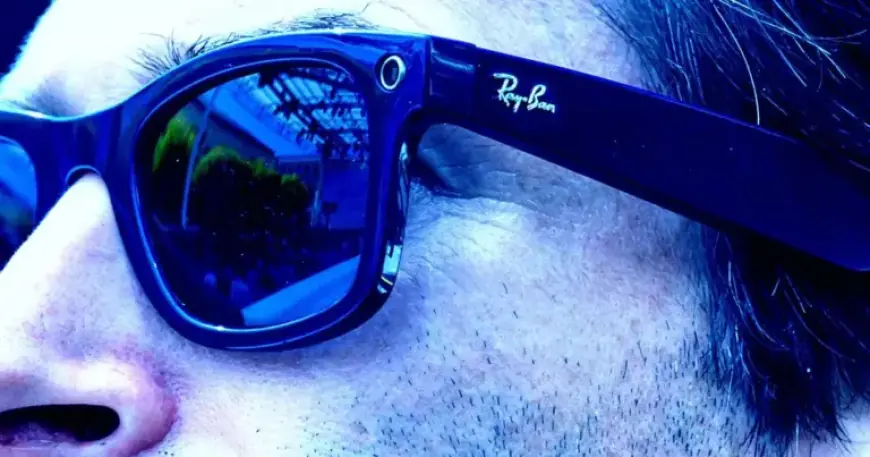
Recent revelations about Meta’s Ray-Ban smart glasses have sparked a significant outcry across social media platforms. Investigative reports by Swedish newspapers revealed that sensitive videos recorded by users are reportedly being sent to subcontractors in Nairobi, Kenya for data annotation.
Controversy Surrounding Meta’s Smart Glasses
Contractors disclosed that they frequently viewed private moments of individuals—such as using the restroom or changing clothes—without the subjects being aware. They claimed that automated systems meant to blur faces had failed, exposing personal and intimate scenarios.
One contractor voiced concerns, stating, “I don’t think they know, because if they did, they wouldn’t be recording.” This revelation raises significant ethical questions regarding user privacy and the reliance on human labor for annotating data used to train AI models.
Privacy Implications and User Reactions
The reliance on human annotators brings a substantial risk of sensitive data being mishandled or improperly accessed, posing a threat to user safety. This has amplified concerns around surveillance practices in technology, particularly in light of increasing scrutiny surrounding data privacy in AI development.
In the wake of these allegations, many users have taken to social media to express their concerns. A derogatory term has emerged, referring to Meta’s smart glasses as “pervert glasses,” highlighting public fears about the implications of such technology. Users have commented:
- “There is no reason for the pervert glasses to exist.”
- “Tech should protect me from creeps, not facilitate their actions.”
- “We need to keep calling them ‘pervert glasses’ so more people recognize the issue.”
This growing backlash underscores the social unease regarding new surveillance technologies and their potential misuse. Research indicates that such smart glasses could easily be weaponized for surveillance purposes, contradicting the image of harmless technology.
Industry Reactions and Future Considerations
As concerns mount, prominent figures in the tech industry have raised alarms about the blurred lines of privacy. Dario Amodei, CEO of Anthropic, categorized mass surveillance as one of the critical issues that must be addressed. Comparisons have also been drawn to the militarization of law enforcement and the access to vast databases.
After the initial public outcry, Meta responded by stating that the Ray-Ban Meta glasses are designed to assist users with AI while collecting data responsibly. The company claimed that, unless voluntarily shared, recorded content remains on the user’s device.
Conclusion
The controversy surrounding Meta’s Ray-Ban smart glasses raises urgent questions about privacy, consent, and the ethical use of technology. As consumer awareness grows, the conversation about responsible tech development and user protection will be more crucial than ever.