

























RBA Challenges US Dollar’s Dominance in New York

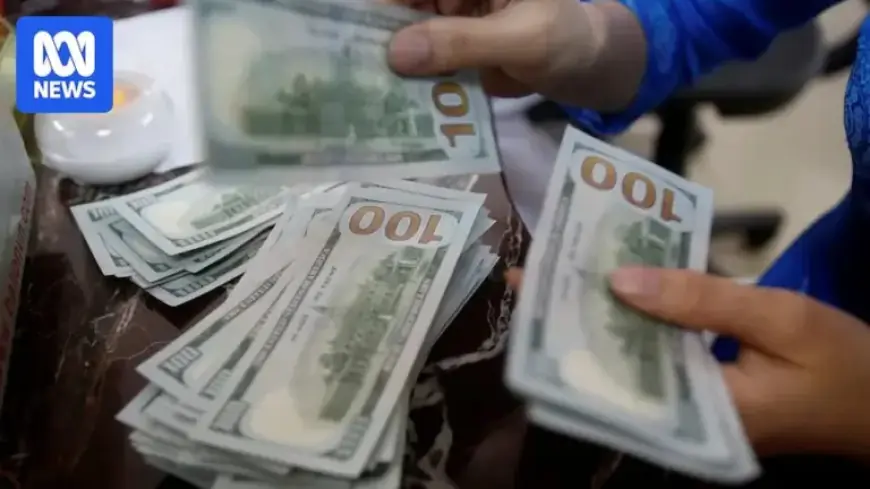
Recent discussions at a gathering in New York City have ignited debates about the future of the US dollar as the world’s primary safe-haven currency. The Reserve Bank of Australia’s (RBA) deputy governor, Andrew Hauser, highlighted shifting perceptions regarding the dollar’s status. This transformation comes amid considerable economic uncertainty and evolving global financial landscapes.
US Dollar’s Historical Context
The US dollar has long been recognized as the world’s reserve currency, a status it has held since the early 1970s. Despite its prevailing strength, Hauser emphasized that defining a safe-haven asset remains complex. He illustrated this by referencing Captain Cook’s historical voyage in 1770, which faced numerous challenges.
Key Characteristics of Safe-Haven Assets
- Security: A minimal risk of credit default.
- Inverse Correlation: Typically appreciates when risky assets decline.
- Liquidity: The ability to quickly convert assets into cash.
Hauser expressed concerns about the dollar’s liquidity and its diminishing role in cross-border transactions. He acknowledged that, while the dollar remains a significant player in financial markets, its dominance may be waning.
Emerging Trends in Reserve Diversification
According to International Monetary Fund (IMF) data, central banks are diversifying away from the US dollar. Analysts suggest that this shift emphasizes growing interest in gold and non-traditional currencies. Recent surveys show that geopolitics is increasingly influencing reserve managers’ strategies.
Market Dynamics Influencing the Dollar
The last eleven months have seen a remarkable rally in US stock markets, prompting capital flows away from the dollar and towards equities. This trend, as noted by Hauser, could further pressure the dollar’s valuation.
China’s Aspirations for the Renminbi
China has indicated ambitions for the renminbi to become a global reserve currency. Hauser pointed out that the influx of foreign investments into US equities reflects a decreasing demand for US-dollar-denominated debt. This shift has significant implications for the dollar’s safe-haven perception.
Expert Opinions on the Dollar’s Future
The perspectives on the dollar’s status are mixed within the financial community. Ray Attrill, head of FX strategy at National Australia Bank, believes the dollar’s behavior aligns with traditional market drivers, showing no immediate loss of safe-haven status. Conversely, economist Saul Eslake argues that the dollar has exhibited signs of declining confidence, citing the impact of US financial sanctions as a contributing factor.
As the global economy evolves and geopolitical tensions mount, the dollar’s future as a preeminent reserve currency remains uncertain. Financial experts and investors alike continue to monitor these trends closely, aware that changes could occur rapidly in today’s volatile markets.