
























Gas Tax Considered as LNG Exports Soar Amid Week-Old Conflict

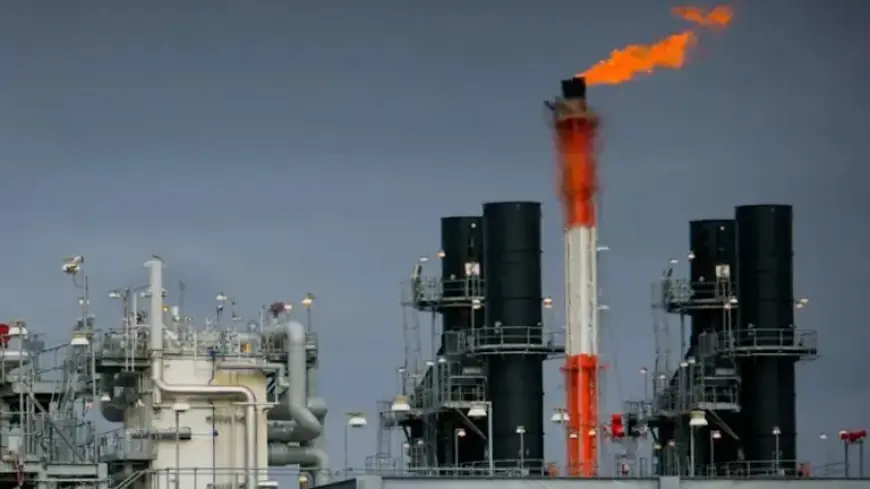
The ongoing conflict in Iran has triggered significant discussions in Australia regarding gas taxation. As tensions escalate, the call for a new tax on windfall profits from gas exporters is gaining strength. Various stakeholders, including crossbench MPs, trade unions, and energy experts, are pushing for measures to protect households from rising energy prices.
Gas Prices Surge Amid Iranian Conflict
In the aftermath of a US military action against Iran, gas prices in Europe and Asia have surged by around 50%. Analysts warn that if the conflict continues, Australia might face price spikes exceeding those observed during the Russian invasion of Ukraine in 2022.
- Gas prices tripled in Australia during previous crises.
- Electricity bills rose sharply, contributing to inflation.
- Gas export earnings surged from $50 billion in 2021 to $90 billion in 2022.
Government Response and Market Dynamics
Resources Minister Madeleine King stated that Australia’s gas market is now better positioned to withstand price shocks compared to 2022. She emphasized that exporters must meet stricter supply requirements to safeguard the local market.
However, market disruptions are evident. Recently, a drone strike in Iran forced Qatar to shut down a facility responsible for one-fifth of global LNG exports. This event has led to a dramatic increase in LNG prices, with some cargoes being sold for over $25 per million British thermal units, significantly higher than the previous week.
Calls for Windfall Profits Tax
Independent MP Allegra Spender has advocated for a tax on the extraordinary profits gained from wartime conditions. She stresses that these profits should benefit the Australian public, as the resources belong to them. Alongside her, Independent Senator David Pocock supports a parliamentary inquiry into gas taxation, proposing a 25% tax on gas exports.
Some experts, like Tony Wood from the Grattan Institute, argue against taxing windfall profits directly. Instead, he suggests imposing a levy on domestic markets for prices exceeding the long-term contract rate of $14 per gigajoule. This approach aims to protect Australian consumers without deterring investment in gas production.
Industry Concerns
The gas industry expresses concern that new taxes could hinder investment and production. Companies emphasized that Australian gas plays a vital role in both regional and global energy security. They warn that excessive taxation could lead to gas shortages, driving up energy costs and jeopardizing industries dependent on stable gas supplies.
As the situation develops, the dialogue surrounding gas taxation and the implications for Australian consumers and the economy continues to evolve rapidly.