

























‘The Handmaid’s Tale’ Sequel Explores Gilead’s Evolution

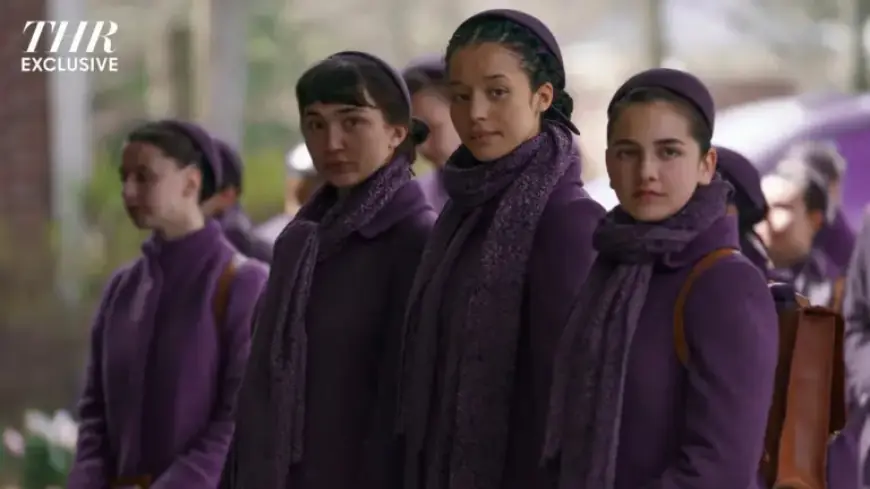
The Handmaid’s Tale franchise continues to evolve with a new sequel series, The Testaments, which will premiere on April 8, 2024, on Hulu. This series builds on Margaret Atwood’s 1985 novel, delving into the oppressive world of Gilead, a regime that overthrew the U.S. government and brutally stripped women of their rights. Unlike its predecessor, which focused on June Osborne’s rebellion against this totalitarian system, The Testaments shifts the spotlight to the next generation of women shaped by Gilead’s suffocating norms.
The Evolution of Gilead in The Testaments
Produced by Bruce Miller, who has been instrumental in adapting Atwood’s narrative into a compelling television format, The Testaments is set approximately four years after the conclusion of The Handmaid’s Tale. The storyline will explore the dynamics at a preparatory academy overseen by the character Aunt Lydia, portrayed by Ann Dowd, who returns to her role with a fresh perspective.
Characters and Development
- Agnes MacKenzie: Known as the Gilead name for June and Luke’s daughter, Hannah, portrayed by Chase Infiniti.
- Daisy: A newcomer from Toronto with a hidden agenda, played by Lucy Halliday, who shares a special bond with Agnes.
- Aunt Lydia: Evolving from a strict enforcer in The Handmaid’s Tale to a double agent within Gilead’s hierarchy.
The initial episodes will focus on Agnes and Daisy as they navigate their lives and burgeoning friendship within the confines of Gilead’s oppressive education system. Agnes is depicted as resourceful, while Daisy challenges the status quo, functioning as a voice for the audience’s doubts regarding Gilead.
Dramatic Themes and Aesthetic Choices
The Testaments promises to present a visual and tonal departure from its predecessor. While it retains the dark themes of power and control, it contrasts with a lighter, brighter aesthetic, capturing the youthful innocence of its characters before the reality of their circumstances sets in. Color plays a vital role in this narrative, with Agnes and her peers being dressed in shades representing their progression toward becoming wives for the ruling class.
As the series unfolds, it will depict how friendships among the girls emerge as a revolutionary force against Gilead’s doctrines. Miller emphasizes that despite being pitted against each other, these young women find strength in solidarity, mirroring the rebellious camaraderie established amongst the handmaids in the original series.
Political Context
The release of The Testaments coincides with ongoing societal debates surrounding women’s rights and bodily autonomy, making its themes particularly relevant. As Miller points out, the friendships formed during adolescence can serve as a powerful catalyst for change. Through these relationships, the series suggests the potential for collective resistance against oppressive forces.
With its first three episodes debuting on April 8, followed by subsequent episodes released weekly, The Testaments aims to deep dive into Gilead’s evolution and the pressures faced by its young women. This new installment of The Handmaid’s Tale universe is poised to engage viewers in conversations about autonomy, sisterhood, and the struggle for freedom in a repressive society.
For comprehensive coverage of The Handmaid’s Tale universe, visit Filmogaz.com.