

























International Space Station Set for Potential Two-Year Extension

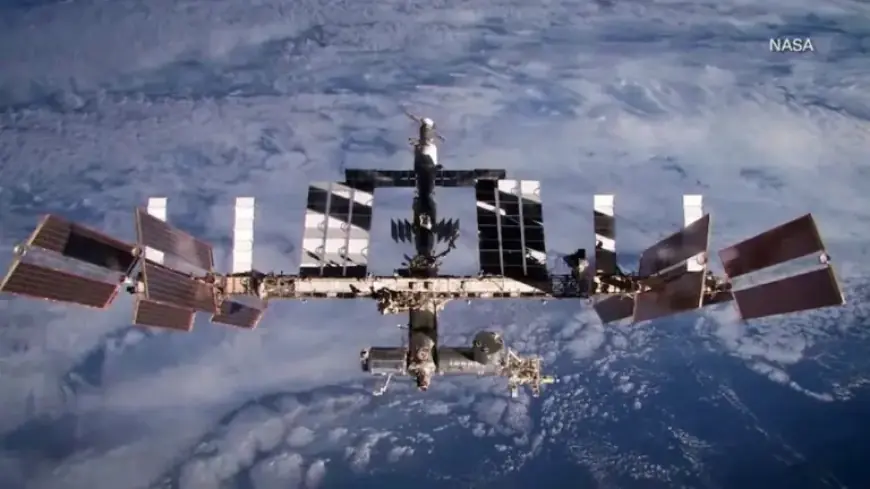
The U.S. Senate Committee on Commerce, Science and Transportation has advanced the NASA Authorization Act of 2026. This act aims to extend the operations of the International Space Station (ISS) for an additional two years, pushing its deorbit date to September 30, 2032. It also lays the groundwork for establishing a permanent lunar base.
Key Provisions of the NASA Authorization Act
The proposed legislation encompasses several significant developments in space exploration and funding for NASA:
- Increased Funding: The act authorizes $24.7 billion for NASA in Fiscal Year 2026 and $25.3 billion for Fiscal Year 2027. This represents a 2.5% increase over the previous year.
- Restoration of Roles: It reinstates the roles of NASA’s Chief Scientist, Chief Economist, and Chief Technologist, which were previously eliminated.
- Transition to Commercial Stations: Current laws allow the ISS to operate until 2030; this extension facilitates a smooth transition to commercial space stations.
- Lunar Base Development: NASA is instructed to establish a permanent moon base capable of long-term human habitation and industrial operations.
- Enhanced Rescue Protocols: The act requires NASA to evaluate potential crew rescue capabilities for astronauts in both emergency and non-emergency scenarios.
Impact on the International Space Station
The ISS, which has been operational for over three decades, was initially scheduled to deorbit in 2030. The new legislation extends its operational deadline to 2032, allowing for a gradual transition to commercial alternatives. Axiom Space is preparing to launch its Axiom Station, with its first module targeted for installation in 2028.
Future of Lunar Exploration
The NASA Authorization Act emphasizes the establishment of a lunar base. This facility is intended for long-duration operations and will support missions that may one day include expeditions to Mars. The concept aligns with NASA’s objectives, as discussed by Administrator Jared Isaacman, particularly in relation to the Artemis missions.
Rescue Capabilities for Astronauts
Additional focus has been placed on implementing rescue capabilities for astronauts. The act addresses both emergency and non-emergency evacuations, aiming to enhance overall safety during missions. This proposal is timely, following recent medical emergencies experienced by astronauts aboard the ISS.
The U.S. House of Representatives and Senate must approve the NASA Authorization Act before it can take effect. With its focus on extending the ISS operations, developing a lunar base, and improving astronaut safety, this act represents a significant step for NASA’s future in space exploration.