

























Trump Lists Varied Reasons to Attack Iran, Yet Overlooks Crucial Detail

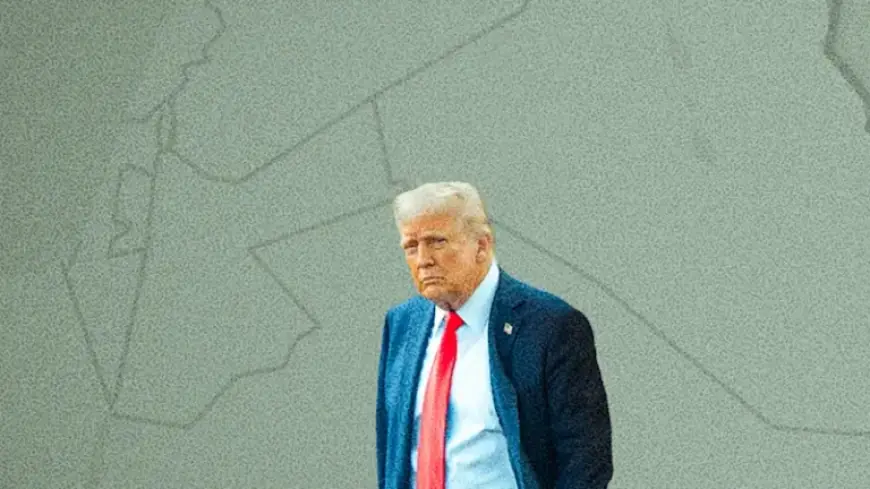
In a striking reiteration of U.S. military rhetoric, President Donald Trump recently justified military action against Iran. He emphasized multiple reasons for this intervention, marking a significant geopolitical moment reminiscent of past U.S. strategies in the Middle East.
Trump’s Justifications for Attacking Iran
During a video announcement last weekend, Trump outlined various motivations for the strikes on the Islamic Republic. He cited:
- The killing of Americans by Iran over 47 years.
- Iran’s ongoing development of nuclear weapons.
- Financial support for terrorist groups across the region.
- The oppressive nature of the Iranian regime, which has caused the deaths of thousands of its citizens.
Additionally, he urged Iranian citizens to take control of their government following the U.S. military strikes.
Broad Geopolitical Implications
These military actions have drawn parallels to earlier U.S. interventions in the Middle East, raising concerns among analysts who recall similar justifications in Iraq and Afghanistan. Secretary of Defense Pete Hegseth defended the operation, asserting, “This is not Iraq,” and pledged no “quagmire” or “nation-building” efforts.
The conflict has already resulted in significant damage to Iran’s military capabilities, with Iranian Supreme Leader Ali Khamenei reportedly killed in an initial airstrike. This event adds to the instability within Iran’s leadership structure.
Casualties and Military Dynamics
As hostilities intensify, civilian casualties have rapidly escalated. Reports indicate nearly 1,200 civilian deaths in Iran since the conflict began. Military assessments suggest Iran entered the conflict with approximately 2,000 long-range ballistic missiles, of which around 800 remain operational.
Human Rights Activists News Agency underscored the urgency of addressing civilian losses in the ongoing conflict. In contrast, military experts expect the nature of conflict to transition from conventional battlefield engagements to drone warfare.
Regional Response and Alliances
The U.S. has maintained solidarity with its Gulf allies, who have thus far refrained from direct military action. However, provocations from Iran-backed Hezbollah in Lebanon have raised concerns about regional escalation and broader conflict.
French President Emmanuel Macron called for restraint, warning that further escalation could destabilize the region. Simultaneously, regional tensions have contributed to fluctuating global oil prices, which have surged from $65 to nearly $80 per barrel.
Future of U.S. Involvement
Despite the clear military objectives outlined by Trump, including de facto regime change, the administration has reportedly not established a definitive plan to address the aftermath of the conflict. Analysts speculate that the U.S. administration has not ruled out the possibility of ground troops, but insist any deployment would be dictated by circumstances rather than a premeditated plan.
As the U.S. remains committed to its military objectives, the global community watches closely. Future strategies may hinge on developments within Iran and the responses of its neighboring nations.