

























Mideast Oil Shock Signals Imminent Supply Crunch: Forecasts Rethink Needed

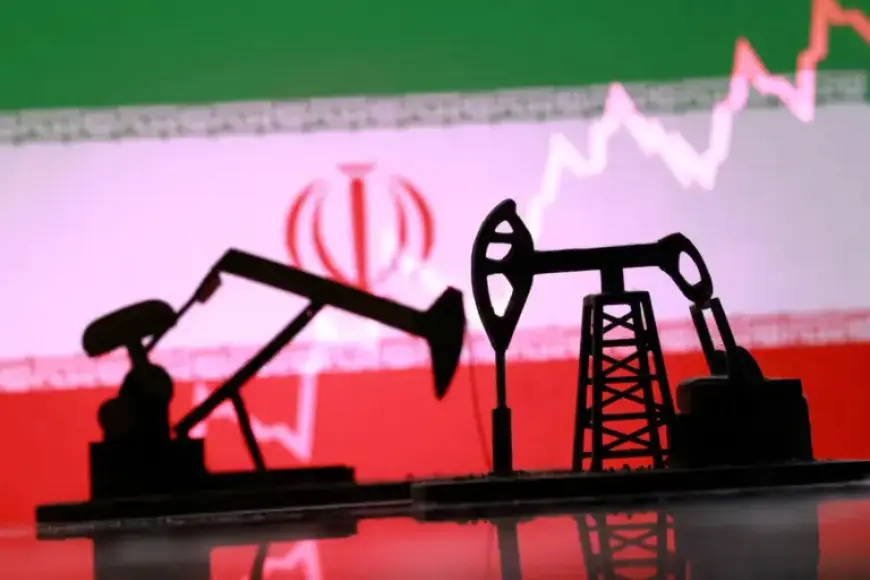
The ongoing conflict involving Israel and the United States against Iran has triggered a significant disruption in Middle East oil supplies. As the situation escalates, buyers are scrambling to secure every available barrel, quickly undermining previous expectations of an oil surplus for this year.
Mideast Oil Shock Signals Imminent Supply Crunch
In February, the International Energy Agency (IEA) predicted a global oil supply surplus of approximately 3.7 million barrels per day (bpd) by 2026. However, with recent developments, that projection may no longer hold. Approximately 15 million bpd of crude production has become stranded, in addition to 4.5 million bpd of refined fuels, primarily due to the near-total closure of the Strait of Hormuz.
This chokepoint was effectively shut following the U.S.-Israel military campaign against Iran, which commenced on February 28. As a result, Iran retaliated by targeting Gulf states and their energy infrastructure. The substantial loss of oil supply—nearly one-fifth of global daily consumption—has sent shockwaves through both the oil markets and the wider economy.
Surging Oil Prices
Global benchmark Brent crude prices have surged past $90 per barrel, marking a nearly 30% increase since the start of the conflict. Asia, which imports about 60% of its oil from the Middle East, is heavily impacted. Refineries and petrochemical plants across the region are reducing production or shutting down to conserve resources, resulting in urgent shortages across various energy-intensive industries.
Critical Storage Issues
The Gulf producers are running out of viable options as exports remain blocked. Crude is being pushed into onshore tanks and offshore tankers. Iraq has already curtailed at least 25% of its 4.3 million bpd production due to limited storage space. Other key producers, such as Kuwait and the UAE, still possess some storage capacity, but it is dwindling rapidly.
- Saudi Arabia and the UAE have alternative export routes, but these only partially mitigate the losses from Hormuz.
- As storage fills up, more countries may have to reduce output or idle refineries, complicating future resumption of production.
Available Stockpiles
On a positive note, global oil inventories had been rising in prior months, with an increase of 1.3 million bpd, reaching levels not seen since March 2021. Currently, around 80 million barrels are stored on tankers at sea, primarily in Asia.
However, a significant portion of this “floating storage” comes from nations under Western sanctions, such as Iran and Venezuela, making them largely inaccessible. Tensions have also led to a decrease in accessible Russian crude due to shifting trade agreements.
Government Reserves and Strategies
If disruptions continue, pressure will mount for governments to tap into their strategic reserves. OECD members are required to maintain reserves equivalent to at least 90 days of imports, providing a safety net in crises. The United States holds over 400 million barrels in its Strategic Petroleum Reserve (SPR), well below its total capacity of roughly 700 million barrels.
China has also amassed substantial oil reserves, averaging an increase of 300,000 bpd last year, yet has not indicated any plans to release these stocks.
An Unprecedented Crisis
This current crisis is unprecedented, as the Strait of Hormuz has never been fully blocked before. Even if it were to reopen tomorrow, market normalization would take weeks. To compensate for the loss of 15 million bpd, over 100 million barrels from storage would be needed within a week alone, quickly depleting global inventories.
As stocks dwindle, governments and traders face the necessity of rebuilding their reserves, which will likely drive crude demand and prices higher in the coming year. The situation has shifted expectations from an oil glut to a looming undersupply, raising concerns across markets.