
























Gas Analyst Predicts Sharp Rise in U.S. Fuel Costs During Iran Crisis

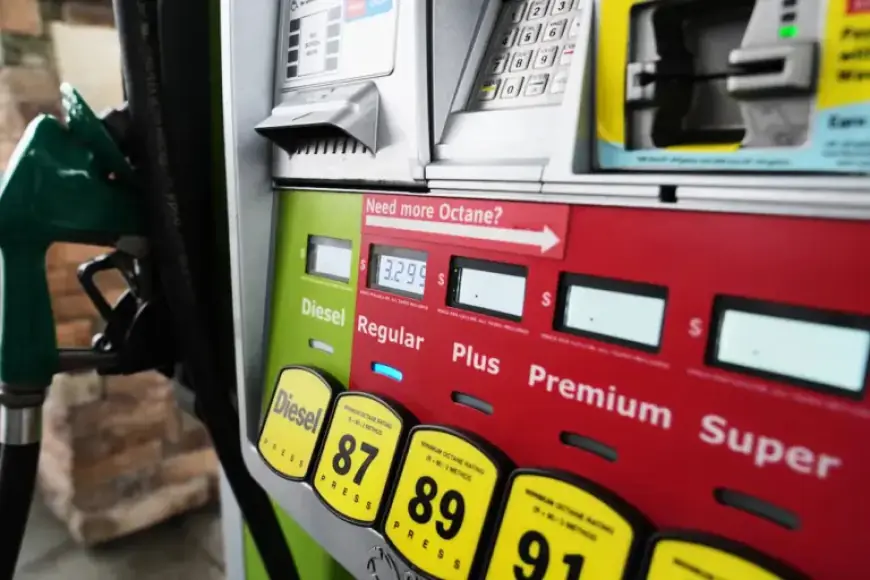
Recent predictions by Patrick De Haan, the head of petroleum analysis for GasBuddy, indicate a significant rise in U.S. gasoline prices. With escalating tensions involving Iran, consumers are set to spend an additional $900 million on fuel within the next week.
Current Gas Prices and Trends
The national average price for a gallon of regular gasoline currently stands at $3.25, as per AAA data from Thursday. This marks an increase from the previous week’s price of $2.98 per gallon. In New Jersey, the average price is slightly lower at $3.13, up from $2.92.
Predictions for Future Prices
De Haan suggests that prices are likely to rise further. He estimates that the national average could increase by 10 to 20 cents per gallon in the coming days. Additionally, diesel prices may see a rise of 20 to 40 cents.
- Current national average gas price: $3.25/gallon
- Gas price increase from last week: $0.27/gallon
- New Jersey average gas price: $3.13/gallon
- Projected increase in national average: 10-20 cents/gallon
- Projected diesel price increase: 20-40 cents/gallon
Contributing Factors
De Haan attributes these rising prices to the ongoing conflict involving President Donald Trump and Iran. An important factor is Iran’s blockade of the Strait of Hormuz, a crucial oil transit route that accounts for 20% of global oil supply.
He noted that the resolution of the situation in Iran is uncertain, but any major resumption of oil shipments could lead to lower prices in the future.
Broader Market Implications
De Haan highlighted that the rise in fuel prices could increase pressure on President Trump, particularly as Americans face higher costs at the pump. Data reveals that 49 states have experienced price increases of 10 cents or more in just a week. Furthermore, 39 states have seen hikes of 20 cents or more, with 12 states witnessing increases exceeding 30 cents.
Government Response
During a recent briefing, White House press secretary Karoline Leavitt stated that the energy sector stands to benefit from Trump’s actions concerning Iran. She emphasized that Iran’s influence over the Strait of Hormuz would be diminished, potentially allowing for a more unrestricted flow of energy resources.