
























FT Reports: US Firms Denied Refunds on Trump’s Illegal Tariffs

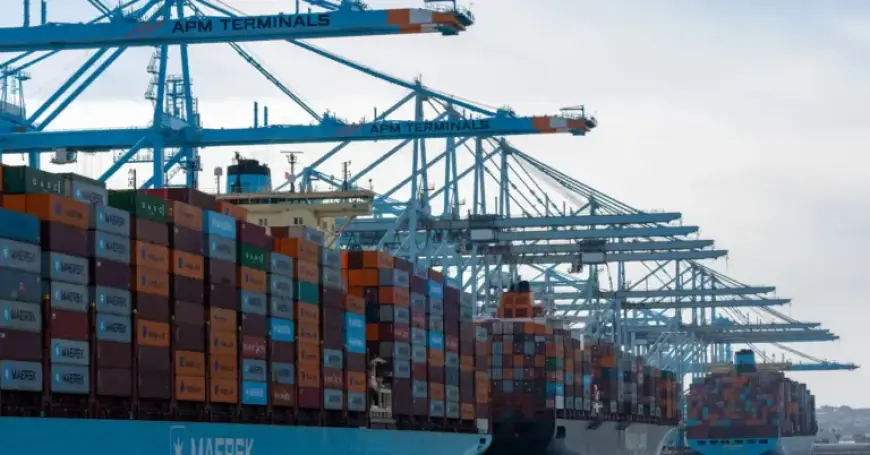
The U.S. government has denied requests for refunds on tariffs recently deemed illegal by the Supreme Court. This decision leaves many businesses in a state of uncertainty and is expected to escalate disputes into the court system.
Background on Illegal Tariffs
Under President Donald Trump’s administration, approximately $130 billion was collected from tariffs imposed using emergency powers. These tariffs were a key aspect of Trump’s trade policy. In February, the Supreme Court declared these tariffs illegal, but did not provide clear guidance on how refunds should be processed.
Current Status of Refund Requests
Despite the Supreme Court’s ruling, U.S. Customs and Border Protection (CBP) has begun rejecting refund requests from companies. Many businesses have attempted to correct previous tariff submissions to remove codes associated with the International Emergency Economic Powers Act (IEEPA). Unfortunately, CBP has suspended numerous protests related to these repayments.
Legal Developments
- A recent order from a U.S. trade court judge has instructed the government to initiate refunds for importers impacted by the illegal tariffs.
- Businesses have quickly moved to file Post Summary Corrections to reclaim tariff payments.
The rejection of these requests adds to the ongoing confusion regarding reimbursement for illegal tariffs. As a result, many companies face growing tensions and potential financial strain.
The Impact on Businesses
With the government denying refund claims, businesses are left navigating a complex legal landscape. This has led to increased litigation as companies seek to recover their losses. The scenario underscores the uncertainty created by the prior administration’s trade policies and highlights the challenges that importers now face.
As the situation unfolds, companies continue to await further clarification from government authorities, including the White House and CBP, which have yet to offer comments on these developments.