





















U.S. and Venezuela Reestablish Diplomatic Ties After Four-Year Hiatus

The United States and Venezuela have taken significant steps to reestablish diplomatic relations after a four-year hiatus. This decision marks a pivotal change in a historically tense relationship, as announced by the U.S. State Department.
Restoration of Diplomatic Ties
On Thursday, the State Department confirmed that the U.S. and the interim authorities in Venezuela agreed to restart diplomatic and consular relations. This move aims to promote stability and support the economic recovery of Venezuela while facilitating political reconciliation.
Background of Relations
The diplomatic relations between the two nations were severed in 2019 during the Trump administration under controversial circumstances. The U.S. closed its embassy following support for opposition leader Juan Guaidó, who declared himself the interim president amidst Venezuela’s political chaos.
Key Developments
Since the break in relations, the U.S. has managed its consular services from Bogotá, Colombia. Under President Trump, the U.S. exerted pressure on the Maduro government, seeking to encourage reforms, particularly in the oil sector.
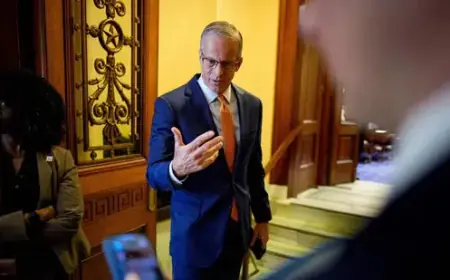
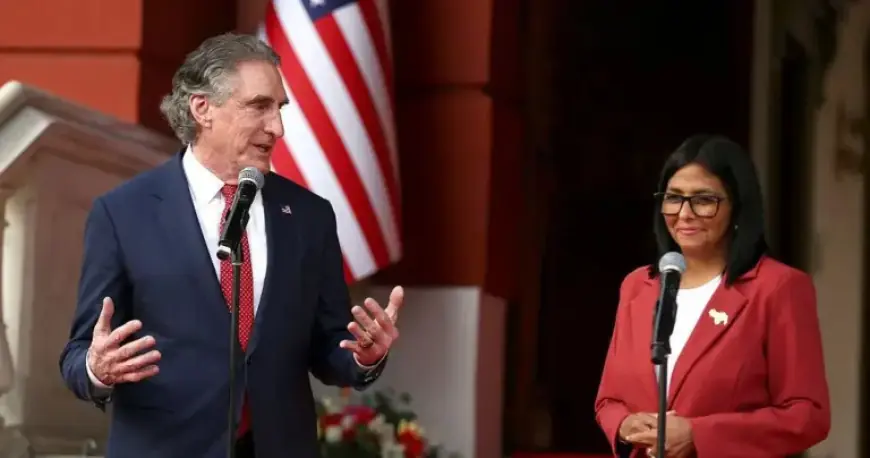
- The latest discussions come after visits to Venezuela by U.S. officials, including Interior Secretary Doug Burgum.
- These visits focused on boosting foreign investments in Venezuela’s mining and oil sectors.
Statements from Officials
Acting Venezuelan President Delcy Rodríguez expressed optimism about the renewed relations, stating that they would enhance mutual understanding and opportunities between the two countries. She emphasized that this effort should lead to the social and economic well-being of the Venezuelan people.
Burgum reiterated support for companies looking to invest in Venezuela, offering assistance with logistical challenges related to their operations.
Political Landscape
The U.S. administration’s approach has also shifted, prioritizing collaboration with Rodríguez’s government instead of focusing solely on opposition figures. In a related development, notable opposition leader María Corina Machado announced her intention to return to Venezuela and mentioned impending elections.
This new chapter in U.S.-Venezuela relations reflects a broader strategy aimed at stabilizing the region and addressing the ongoing humanitarian issues faced by Venezuelans. The collaborative efforts of both governments will be crucial in navigating the complexities of this transition.