

























Illusion of a New Middle East Unveiled

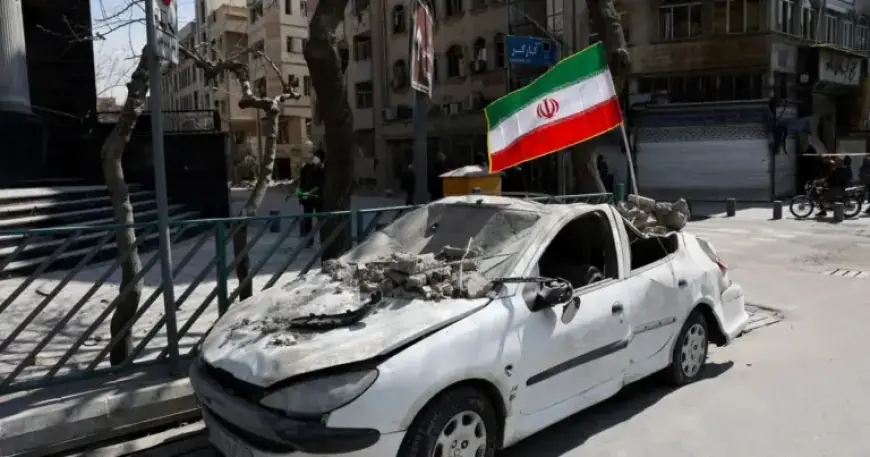
The ongoing conflict between the United States and Iran has escalated into a significant regional war with profound global ramifications. The conflict, initiated by President Donald Trump, has triggered Iranian retaliation against a variety of targets, including Israel, U.S. military bases in the Middle East, and Gulf states.
Consequences of the U.S.-Iran War
The repercussions of this war extend beyond immediate military engagements. As fighting intensifies, financial markets, oil distribution, and global supply chains face disruptions. The humanitarian dimensions of this conflict grow increasingly dire, with rising casualties reported in Iran and mounting threats to U.S. personnel and allies.
Underlying Assumptions and Challenges
The Trump administration’s optimistic belief that the conflict would weaken Iranian leadership and inspire internal reform is now being questioned. Many experts warn that removing the existing regime may not lead to the desired stability in the region.
- Assumptions: The belief that Iranian weakness would eliminate regional instability.
- Likely Outcomes: Continued chaos and potential power struggles that could amplify militancy.
Instead of ushering in a new Middle East aligned with U.S. interests, the war might reinforce existing grievances. The fall of the current regime could lead to a power vacuum filled by hard-line factions or prolonged internal conflict.
International Dynamics and Regional Implications
The conflict’s impact is not isolated to Iran and its immediate neighbors; it risks destabilizing the entire Middle Eastern landscape. Arab states and Turkey have pivotal roles in ongoing disputes, and simply removing Iran from the picture won’t resolve these complexities.
Potential Military and Political Fallout
Hezbollah, along with various militant groups across the region, operates independently of Tehran. These factions may still pose significant challenges to U.S. interests and regional stability, regardless of Iran’s military standing.
- Militant Groups: Hezbollah in Lebanon, militias in Iraq, and the Houthis in Yemen will continue to influence the geopolitical landscape.
- Economic Ties: Gulf states may find themselves caught between the fallout of the war and the need to maintain relations with Iran.
Need for Diplomatic Solutions
In light of the escalating violence, calls for a cease-fire have grown louder. U.S. allies, particularly in the Gulf region, must prioritize diplomatic efforts to mitigate the “day after” risks associated with a post-war landscape.
Public Sentiment and Risks of Resentment
The war has led to heightened anti-American sentiment throughout the region. Gulf states, although reliant on U.S. security, may perceive the conflict as a threat rather than a safeguard.
The aftermath could strengthen anti-normalization movements with Israel and complicate U.S. relationships with key allies. Rising public unrest in countries like Bahrain indicates a potential for domestic instability that leaders may need to navigate carefully.
Considerations for the Future
As the Trump administration faces criticism for its approach, the realities of the conflict suggest that achieving true stability in the Middle East will require careful damage control rather than sweeping military interventions.
The administration must now focus on supporting regional allies, addressing the humanitarian crisis, and preparing for the complexities of a post-war era. Bridging divides in a fractured region will ultimately be more challenging than initially anticipated.
Ending the war sooner rather than later may provide the best hope for achieving a more peaceful and cooperative Middle Eastern landscape, aligning with genuine U.S. interests.