























Jesse Jackson Funeral Brings National Leaders to Chicago as Procession Moves Toward the House of Hope

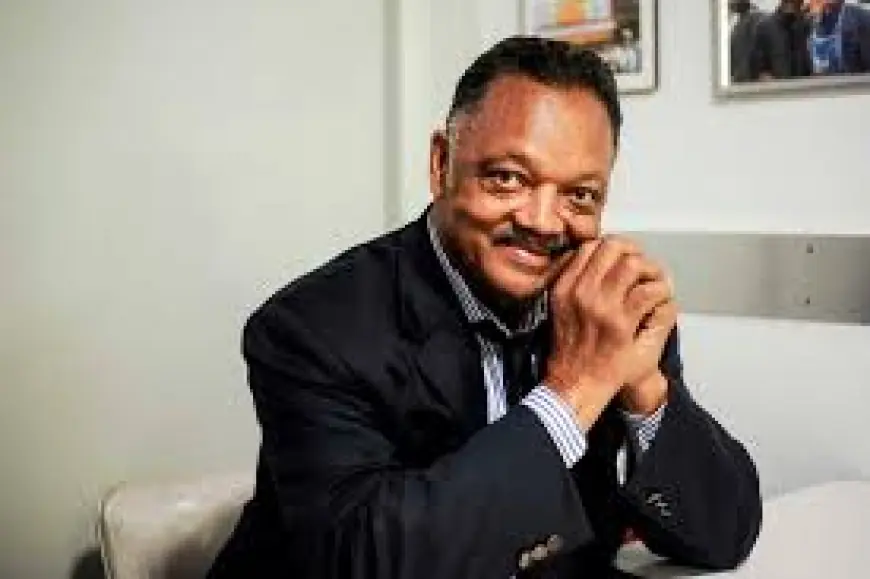
The jesse jackson funeral matters first and most to the neighborhoods and congregations surrounding the House of Hope: a procession has begun toward that site, and a homegoing service in Chicago will celebrate the civil rights leader while drawing high-profile figures including Biden, Obama and Clinton. That concentration of national attention reshapes local rhythms immediately — from public access and commemoration to how residents experience the day.
Jesse Jackson Funeral — immediate effects on community space, access and ceremony
When a high-profile service like this converges on a single venue, practical effects ripple out quickly. Streets near the House of Hope are focal points for a procession that has already started; residents, worshippers and community groups are likely to encounter changes in traffic patterns, gathering areas for mourners, and intensified security presence. Here’s the part that matters: the city’s public rituals and private grief will collide in real time, and local organizers will have to manage both crowd care and the ceremony’s ceremonial needs.
It’s easy to overlook, but large memorials also create opportunities for local institutions to steer the narrative of remembrance — houses of worship, neighborhood groups and civil rights organizations will play visible roles in shaping how the service’s themes are expressed on the ground.
Event details and what can be expected as the procession moves
The procession to the House of Hope is underway and will culminate in a homegoing service that celebrates the civil rights leader in Chicago. The service has been described as drawing leaders including Biden, Obama and Clinton, concentrating national attention on the city and on the site of the House of Hope. Rather than a step-by-step play-by-play, those are the core touchpoints that define the day: procession, House of Hope, and a high-profile homegoing service.
- Procession: underway toward the House of Hope and serving as the public prelude to the service.
- Service focus: a homegoing event centered on the civil rights leader, held in Chicago.
- Attendance profile: leaders including Biden, Obama and Clinton are named among those drawing attention to the occasion.
The real question now is how local leaders and institutions will balance open public mourning with the logistical demands that come with a service of this scale. Expect adaptive responses from congregations and neighborhood groups handling access, seating, and spaces for informal tribute.
Key signals that could indicate how the day unfolds include visible crowd flows around the House of Hope, the ways community groups facilitate participation for residents, and whether ceremonial moments shift from the formal program into spontaneous public remembrance. Those signs will reveal whether the event functions primarily as a national stage or as a communal moment for Chicago neighborhoods.
What’s easy to miss is how these gatherings can reconfigure local memory work: a procession and a homegoing service become touchstones that communities return to in conversation and commemoration long after the event ends. The presence of high-profile figures intensifies that effect, but the immediate experience is rooted in who stands at the front lines of the procession and who organizes the local response.
If you’re wondering why this keeps coming up, consider that the combination of a procession starting at public intersections and a homegoing service in a city venue concentrates civic attention and creates lasting public moments — both for those who attend and for the neighborhoods that host them.