

























Middle East Conflict Escalates, Driving Oil Prices to Two-Year High

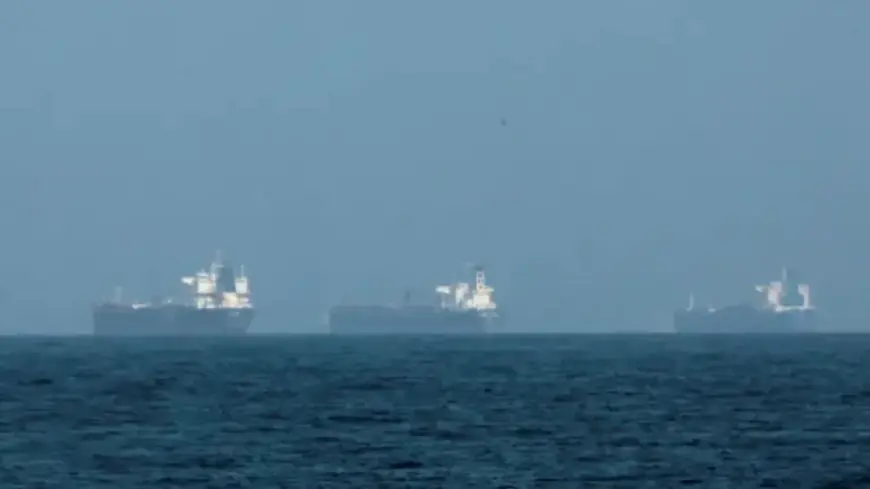
The ongoing conflict in the Middle East has sharply escalated, causing significant disruptions to global oil markets and driving oil prices to their highest in two years. This surge is largely attributed to escalating tensions following military activities involving the United States, Israel, and Iran, particularly around the strategic Strait of Hormuz.
US Navy Preparations to Escort Vessels
On June 3, 2026, U.S. Energy Secretary Chris Wright announced plans for the U.S. Navy to escort commercial vessels through the Strait of Hormuz. This move aims to secure vital shipping routes as tensions rise due to the conflict. Wright emphasized that escorting operations would commence “as soon as it’s reasonable,” amid ongoing disruptions affecting oil shipments.
Impact on Oil Prices
The conflict has drastically affected oil prices, with West Texas Intermediate rising to $85.61 per barrel, a 5.7% increase, while Brent crude surged to $89.06 per barrel, up by 4.3%. The U.S. government’s decision to escort ships aims to alleviate these pressures and stabilize market fluctuations.
Regional Responses to the Crisis
- Bangladesh: The Bangladesh government implemented fuel rationing in response to panic buying, which raised concerns over supply shortages. The state-run importer, Bangladesh Petroleum Corporation, stated that around 95% of its fuel is imported.
- Lebanon: The ongoing conflict has prompted Prime Minister Nawaf Salam to call for international assistance as Israel’s military actions displace hundreds of thousands of residents.
- Germany: Chancellor Friedrich Merz warned that instability in the region could lead to significant consequences for Europe, including security issues and increased migration pressures.
Drone Strikes and Regional Insecurity
Recent events have also included drone strikes targeting airports and oil fields in Iraq’s Basra. Around the same time, Iranian forces conducted military actions against Kurdish militants in northern Iraq, further complicating the geopolitical landscape.
Escalating Military Actions
As the situation evolves, Israel continues its airstrikes against Iranian positions. The Iranian state has retaliated, targeting assets and civilians in the region. This cycle of aggression significantly heightens the stakes for all involved parties.
International Reactions
World leaders are scrutinizing the implications of these developments. Spanish Prime Minister Pedro Sanchez criticized the U.S. military actions, labeling them as an “extraordinary mistake.” Additionally, reactions from regional players like Qatar have condemned Iran’s strikes on accommodations for military personnel from Bahrain, highlighting the diverse response to the conflict.
The ongoing conflict in the Middle East is reshaping energy dynamics globally. As nations scramble to ensure their energy supplies remain secure, the ramifications of this crisis are being felt far beyond the immediate region.