

























US Congress Narrowly Blocks Resolution to Halt Trump’s Iran Military Actions

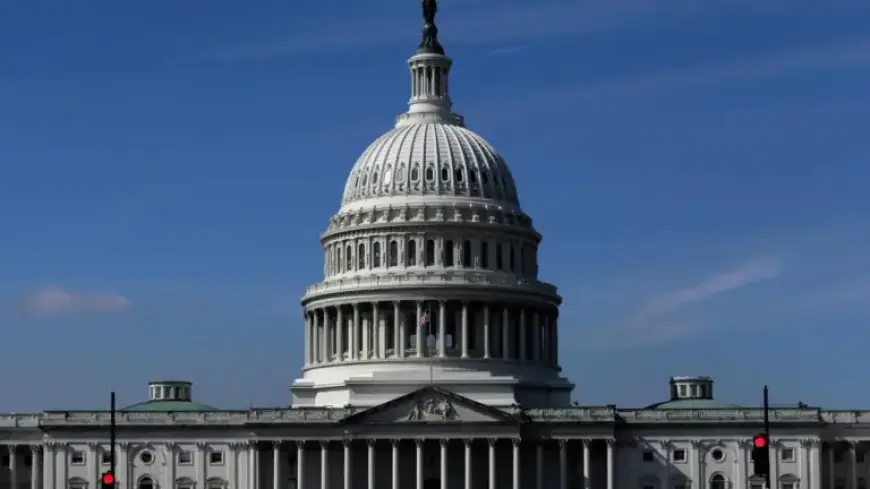
The recent escalating tensions between the United States and Iran have sparked significant political debate within Congress. A war powers resolution aimed at halting President Trump’s military actions against Iran faced defeat in the House, which voted 212 to 219 against the measure. This closely contested vote highlighted the divisions among lawmakers regarding military engagement and the powers of the presidency.
Political Climate Surrounding Iran Conflict
This House decision came just a day after a similar resolution was rejected in the Senate, as Congress grapples with the implications of potential military engagement in Iran. The conflict is raising concerns about the balance of power in war declarations and the responsibilities of elected officials to their constituents.
Key Players and Statements
- President Donald Trump: Asserted that military action is necessary to counter threats from Iran.
- Rep. Gregory Meeks: Criticized Trump for bypassing congressional authority, stating, “Donald Trump is not a king.”
- Rep. Brian Mast: Expressed support for Trump’s actions, labeling Iran an “imminent threat.”
Lawmakers are increasingly wary of the consequences of military conflict, with many Americans expressing apprehension about U.S. involvement in another war. The current situation echoes concerns from previous U.S. military engagements in the Middle East.
Military Operations and Casualties
Recent operations have resulted in six U.S. military casualties in Kuwait, intensifying fears among citizens and lawmakers. Trump’s administration is under pressure to justify its military strategy, with discussions of a potential eight-week conflict surfacing.
Legislative Responses and Future Implications
The House also approved a separate resolution affirming Iran as the largest state sponsor of terrorism. Further discussions within Congress might lead to alternatives that would allow for a limited engagement without requiring immediate congressional approval.
- Possible alternative measures: Some Democrats propose allowing military action for 30 days before seeking further congressional approval.
- Vice President’s position: Indications that the administration may face challenges in garnering full support for its approach.
The resolution’s defeat marks a significant moment in the ongoing debate over U.S. foreign policy and military commitment, reflecting a shift towards a more cautious legislative stance regarding military actions led by any president. As discussions continue in the coming weeks, both the outcomes in Congress and the sentiments among the American public will play crucial roles in determining the future of U.S.-Iran relations and military policy.