

























Daylight Savings 2026: Clocks Spring Forward Sunday, What to Know

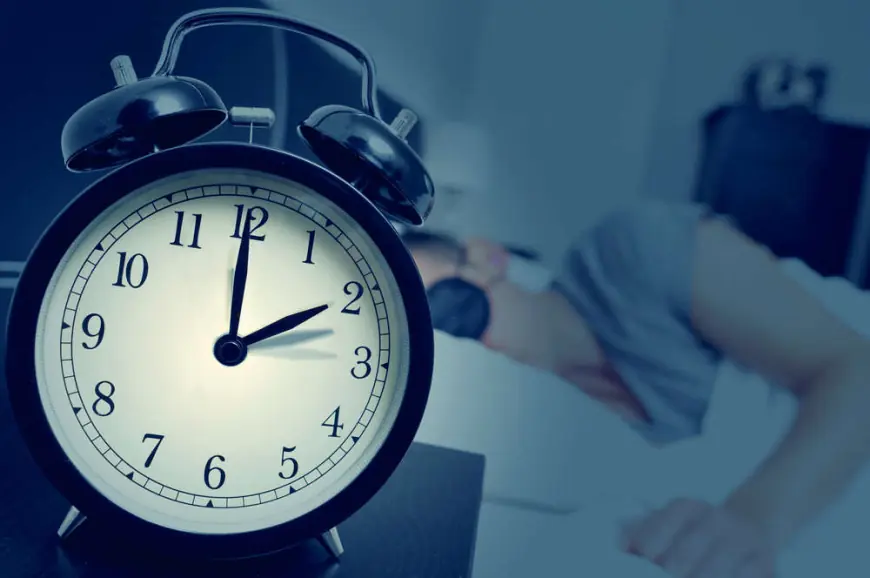
daylight savings 2026 begins Sunday, March 8 at 2 a. m. ET, when clocks move forward one hour and most Americans lose an hour of sleep — a change with immediate effects on sleep, safety and daily routines.
Clocks ‘Spring Forward’ This Sunday
On the designated date, the time jumps from 2 a. m. to 3 a. m. ET for the areas that observe the shift. The annual move to daylight saving time has been set on the second Sunday of March since 2007. Historically, the start date has changed multiple times in the past decades, including experiments and earlier calendar rules that placed the start later in spring in earlier years.
Daylight Savings 2026: When the clocks change
The immediate effect is a one-hour shift of daylight from morning to evening. Local sunrise and sunset examples illustrate the change: in Boston, the day before the switch sunrise is at 6: 09 a. m. ET and sunset at 5: 41 p. m. ET; after the clocks move forward, sunrise is at 7: 08 a. m. ET and sunset at 6: 42 p. m. ET. Phones and other devices set to update automatically should advance their clocks without manual intervention.
How it shifts daylight and the calendar
Daylight saving time will be in effect for 238 days this cycle. The spring change precedes the vernal equinox on March 20. The fall return to standard time traditionally occurs at 2 a. m. local time on the first Sunday of November, which this year falls on Nov. 1. Several U. S. jurisdictions do not observe the shift: Hawaii and most of Arizona do not change their clocks, and territories including American Samoa, Guam, the Northern Mariana Islands, Puerto Rico and the U. S. Virgin Islands similarly do not observe the clock change.
Health and safety impacts
Experts note the immediate sleep loss can compound existing sleep deficits. An estimated 85 million adults who already experience chronic sleep deprivation stand to lose another hour of sleep. Short-term consequences linked with the spring shift include a measurable rise in motor vehicle accidents: studies show a roughly 6% increase in crashes during the workweek immediately after the spring time change. Sleep disruption has also been associated with longer-term health concerns such as cardiovascular and metabolic issues and effects on mental health.
How to prepare and adjust
Practical, incremental measures can ease the transition. Recommended steps include shifting bed and wake times earlier by about 15 minutes on successive nights in the days leading up to the change, seeking exposure to morning light after waking to help reset the body clock, keeping screens out of the bedroom, and avoiding late meals that can disrupt bedtime routines. For those who continue to struggle with sleep timing, a very low dose of melatonin — cited in guidance as between 0. 5 mg and 1 mg taken in the early evening — may be suggested for short-term adjustment. Establishing household routines, such as reducing evening screen time through automated limits, can help families adapt together.
Forward look: what to expect next
Expect the immediate post-change period to feature mild disruptions in sleep and a short-term uptick in safety risks tied to drowsiness. If typical patterns hold, these effects should attenuate as people and schedules adjust over days to weeks. The country will remain on daylight saving time through the summer and into fall, returning to standard time on the first Sunday of November. Devices set to update automatically will switch on their own; anyone relying on manual clocks should advance them before or at bedtime on Saturday to avoid missing appointments on Sunday.
Key takeaways
- daylight savings 2026 begins March 8 at 2 a. m. ET; most areas move clocks forward one hour.
- Expect a temporary increase in sleep disruption and a short-term rise in drowsy-driving risks; practical sleep-step strategies can reduce impacts.