























Meryl Streep Rejects Cosmetic Facades, Highlights Authenticity vs. Industry Pressure

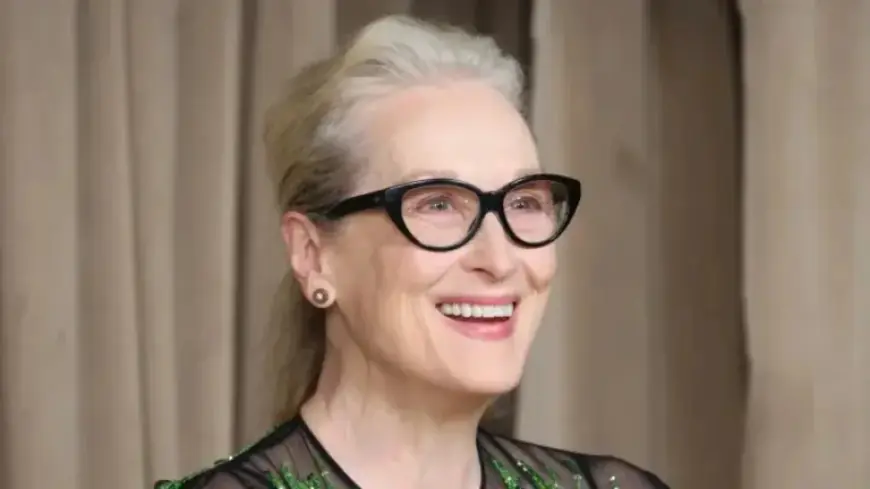
In today’s entertainment industry, the clash between authenticity and external pressure is becoming increasingly pronounced. Meryl Streep, a celebrated Academy Award winner, openly rejects the notion of cosmetic surgery, choosing instead to embrace natural aging. She has likened the act of undergoing such procedures to “wearing a veil,” suggesting that it obscures a person’s true self.
Meryl Streep’s Stance on Cosmetic Surgery
Streep’s conviction is clear: she has not confirmed any facial cosmetic surgeries, asserting her commitment to natural aging. Her approach is highlighted by a notable aversion to touching her face, a beauty habit that emphasizes authenticity.
Industry Pressures and Personal Choices
- Meryl Streep believes that plastic surgery can hide a person’s reality.
- Her public persona prioritizes the celebration of aging over conforming to industry pressures.
- Streep’s experiences reflect a broader conversation about how personal and professional circles influence appearance decisions.
Her former co-star, Martin Short, has shared his attempts to persuade Streep to consider surgery, illuminating the complicated dynamics actors face regarding their looks. This anecdote reveals that decisions concerning appearance are often influenced by not just personal choices, but also by interactions within professional and social networks.
Consequences of Public and Private Life
The discussion around Streep’s stance intersects with broader issues of mental health and the pressures faced by individuals connected to public figures. This reality was tragically underscored by the recent loss of Katherine Hartley, whose death highlighted the severe personal struggles that can accompany public life.
The Complexity of Expectation and Reality
- Katherine Hartley died of a self-inflicted gunshot wound.
- She had educational credentials in psychology and social work, showcasing her commitment to mental health.
- Hartley worked at a clinic, emphasizing the importance of care within her personal and professional life.
These unfortunate events remind us that public personas do not completely shield individuals from personal turmoil. The tension between the industry’s expectations around beauty and the real challenges individuals face deserves serious attention.
Moving Towards Accountability in the Industry
Meryl Streep’s commitment to authenticity raises critical questions about the industry’s treatment of personal appearance and mental health issues. There is an urgent need for clear conversations regarding support systems within entertainment, particularly concerning mental health and privacy.
As Streep continues to pioneer discussions about aging and authenticity, it remains essential for industry leaders to evaluate how they can better support artists. This includes establishing policies that protect mental well-being while acknowledging the pressures they face to conform to societal standards of beauty.
Ultimately, Meryl Streep’s example challenges the status quo in show business. Her stance serves as a powerful statement on authenticity versus industry pressure, calling into question how public perception correlates with private struggles.